
Blog Post #9: The 13 Keys to Neuroplastic Healing: Your Guide to Getting Back to Living
6-minute read

Neuroplastic healing goes further than taking a supplement or prescribed medication, or undergoing a procedure or surgery. Self-directed techniques target the root cause of neuroplastic symptoms: the brain and nervous system. By no fault of your own, your life experiences have trained your brain to develop coping mechanisms that self-negate your own bodily processes. Stress hormones negatively influence the immune system and other body systems. At some point, your system can no longer balance repetitive lifetime stress or a significant acute trigger. Here are 13 Keys to Neuroplastic Healing: Your Guide to Getting Back to Living.

1. Devote at least 20 minutes a day to mind-body healing efforts
Continuing the same lifestyle that led to your illness won’t lead to healing. Albert Einstein said, “We cannot solve our problems with the same thinking we used when we created them." Mind-body healing is inherently self-promoted; you can retrain your brain. Yet, you wouldn’t expect to perform a piano solo without repetition. Practice takes time, but no worries, you don’t need become a virtuoso before seeing signs of healing.
“We cannot solve our problems with the same thinking we used when we created them.”
Keep a journal devoted to your mind-body work. Log questions and concerns that result from your learning, wisdom that results from your introspective journaling, and your accomplishments (see Key #13 below). Practice your script for setting boundaries. Create a place that is just for you, at the very least, in a closet, where you can read, meditate, journal, and be alone. Don’t think you have time? See Key #8 below to create extra time for yourself. In addition to your devoted 20 minutes, sprinkle new habits into daily life and know it may take a few weeks for them to stick.
“The simplest explanation is the most likely. ”
2. Learn the mind-body model
The foundation for mind-body healing comes from understanding the neuroscience. Consider Occam's Razor: “The simplest explanation is the most likely.” Your chronic pain, fatigue, diarrhea, and palpitations all have one cause. Understanding how the brain and nervous system impact the body allows you to use the conscious mind to retrain your automatically learned neural pathways. The Unlearn Your Pain workbook, by prolific mind-body researcher and healer Dr. Howard Schubiner, is a comprehensive guide to healing. Alternatively, or in addition, I recommend an interactive app such as Freeme (specifically for chronic fatigue or Long-Covid), Curable, or Nervana (coming soon).

3. Distance yourself from the traditional biomedical model
The traditional biomedical model is effective at addressing many conditions, but not neuroplastic symptoms. Create an evidence-list to build your belief in the mind-body model because your belief is necessary for healing. What aspects of your health situation and history make sense in the mind-body paradigm and what does not make sense from a biomedical or structural perspective?
Avoid what Dr. Howard Schubiner calls the 6 F’s, which propagate neuroplastic symptoms: fear of, focus on, frustration with, fighting, figuring out, and trying to fix the symptoms, especially in a biomedical way. Certainly, if you have new or unusual symptoms that may be urgent, get evaluated at a local clinic or emergency room. But when you’ve already seen dozens of practitioners, had every test imaginable, and the suggested treatments haven’t led to healing, it doesn’t make sense to continue on that path. I’m not suggesting you suddenly stop prescribed medications. When your symptoms are beginning to improve with mind-body techniques, seek one-on-one guidance from me or your local practitioner regarding tapering or discontinuing certain medications.

4. Journal 5-20 minutes a day
Journaling gets at deep emotions that may underlie neuroplastic symptoms. Use prompts that result from your visits with Dr. Hollander or journal on one of your personality traits, past stressors, or current stressors. Try the fast and furious, loose association approach. Keep your hand writing or voice talking (for audio journaling). Holding onto blame or resentment creates danger signals for you, so let it out and then let it go. Brainstorm ways to make lifestyle changes that are more authentic to your needs. See my blog post #5: Journaling for Wisdom to Self-Heal Chronic Pain & Other Neuroplastic Symptoms for 8 barriers to journaling, plus solutions to get started, 10 types of journaling prompts, and 4 final pieces of sage advice. For additional resources, read Mind Your Body, by Nicole Sachs, LCSW.
5. Practice recommended meditations
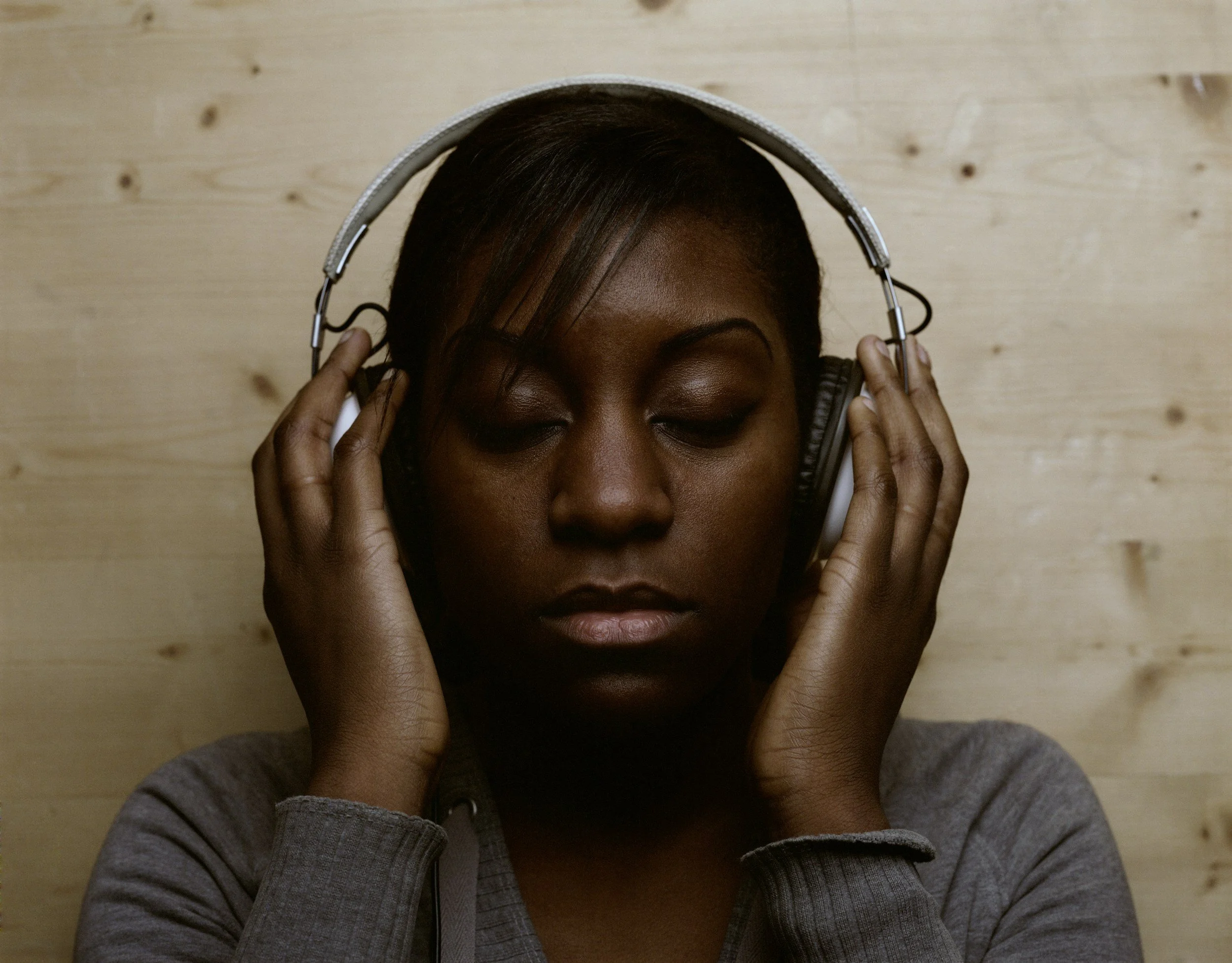
Specific guided meditations retrain the brain’s dysfunctional neural pathways to those of healing. See my Meditations Page or get access to Dr. Schubiner’s audio-meditations when you purchase his Unlearn Your Pain workbook:
· My Emotional Experiencing Meditation on the Covid Pandemic may help you process emotions that have led to Long-Covid or otherwise contributed to neuroplastic symptoms.
· The Somatic Tracking meditation lessens fear of symptoms so they can diminish over time.
· My Embracing Emotions meditation guides you to acknowledge, experience, express, and release stored emotions that have ingrained as bodily symptoms.
· The Mindfulness meditation distances your thoughts and emotions from automatic bodily responses.
· The New You meditation has you visualize activities and circumstances you would like to see in your future. Habit becomes reality. Imagining experiences with confidence and without symptoms creates neural circuits of healing.
· The Time Traveler meditation allows you imagine a younger version of yourself going through a difficult time in your life. Your current self provides safety signals to your previous self, which can change the emotional memory of the situation.
· The Revising the Past meditation helps you associate safety signals with past and current stressors and confront personality traits.
· Mantra meditation involves no audio. My instructions guide you to clear your head of ruminations that create danger signals.
6. Practice affirmations
You can heal! You can get through this and come out stronger! Anytime you do activities that tend to trigger symptoms, do them gradually and in small amounts with affirmations such as “I am naturally healthy and strong," or “I know my brain causes my symptoms and I am retraining my brain,” while in a powerful posture. Personalize your affirmations to your symptoms and triggers.
“Do unto yourself as you would have done unto others.”
7. Exercise self-compassion
It’s likely that personality traits such as perfectionism, people-pleasing, over-caring, or self-critiquing contributed to your neuroplastic symptoms. So work on the opposite: self-compassion and meeting your own needs before others. Practice what I call the Reverse Golden Rule: "Do unto yourself as you would have done unto others." Give yourself credit for all the mind-body work you are doing. Have outcome independence with mind-body techniques - no pressure for them to have a particular immediate result; over time, they will retrain the brain.

8. Set boundaries
Explore your authenticity. Practice setting boundaries and saying “no” to be true to yourself. This allows your behaviors to be of purer heart and mind. Journaling a script to practice your voice may be necessary if you have had a lifetime of taking the back seat for your own needs. Remove obligations that don’t serve you to allow more time for your mind-body work healing efforts.

9. Practice Mindfulness
Mindfulness simply means being in the moment. If you find that you drive to the grocery store with no memory of how you got there or ruminate on the day’s frustrations while doing the laundry, you can benefit from beginning a mindfulness practice. Mindfulness provides safety signals and integrates your mind and body.
10. Pursue healthy distraction
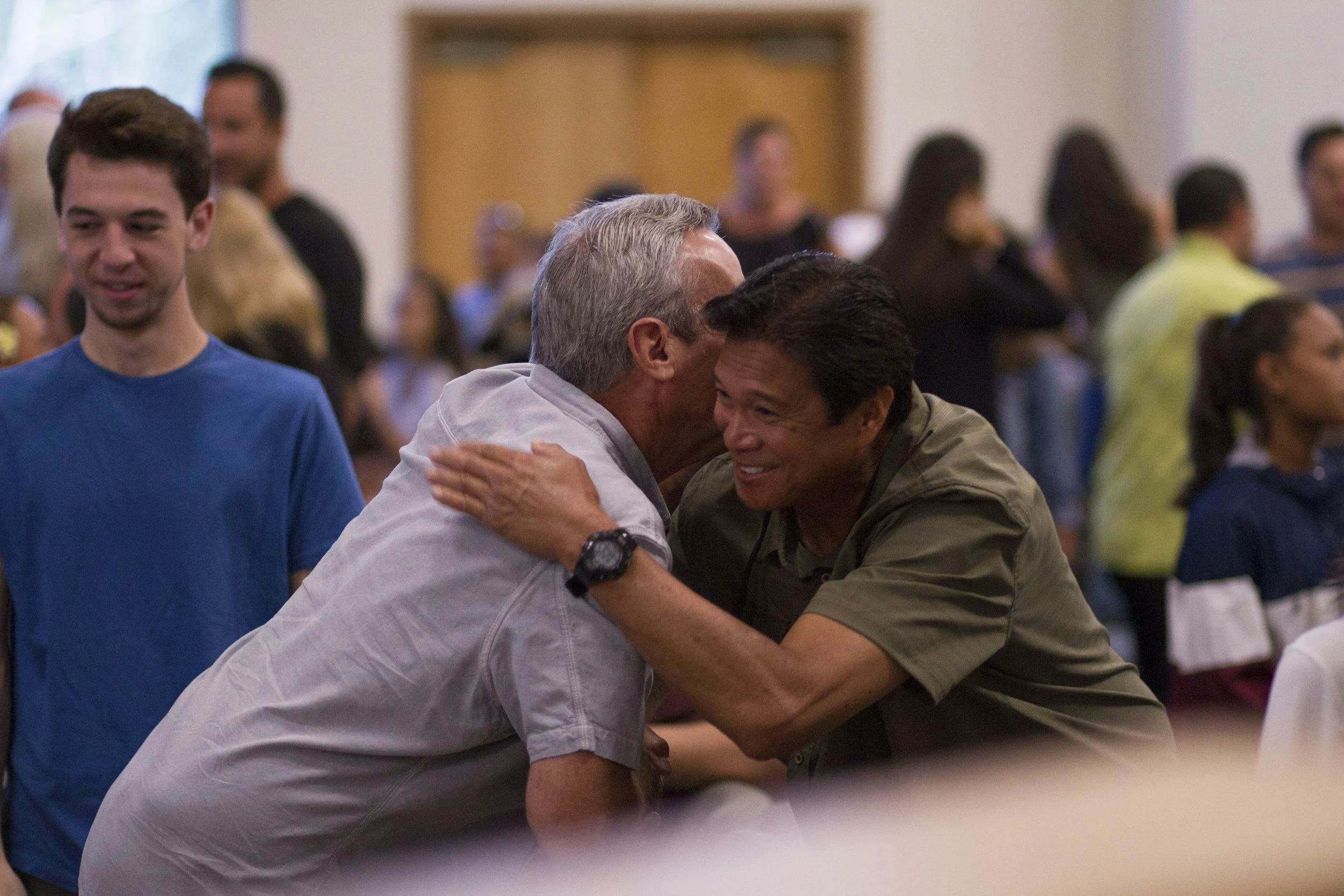
Focus your time away from your symptoms as much as possible. Strengthen relationships and community connection. Pursue flow activities, that create a state of complete immersion, focus, and enjoyment where time and self-identity may be forgotten and you are fully in the moment.

11. Gradually exposure yourself to triggers
After you’ve developed a strong foundation of learning and belief in the mind body model, plus brain retraining techniques and lifestyle changes, you may be ready to gradually expose yourself to the triggers that have spurred your symptoms. Use your affirmations to build your safety net. Be patient with yourself. Improvement is not linear, rather it is stepwise. Expect two steps forward, one step back.
Be creative with making positive associations with long time triggers. When I needed to get back to typing after 8 years of repetitive motion arm pain, I surrounded a new workspace with images of comfort (cat photos) amidst a soundtrack of enjoyable music. I began typing positive affirmations for just a few minutes at a time before stopping for the day and increased gradually. I used a novel computer in a different location than was previously associated with the work that conditioned my arm pain. Before and after the typing, I played a few songs on the piano to remind myself that a musical lick caused no pain, so why should the computer keyboard? Inevitably, I got overzealous and soon began typing for an hour straight which led to a flare of pain and fear. This happens. I learned to return to starting low and going slow.

12. Move with lightness & ease
Whether you have chronic fatigue, back pain, or other neuroplastic symptoms, recondition your physical movements. Avoid the mental pressure of quantitative goals such as a certain number of exercise reps. Make qualitative goals instead: moving with lightness and ease. Consider swimming, dancing, or other enjoyable activity. If symptoms come on, take them as they come with non-judgment and acceptance. Trust the process. Take a step back and return to activities when your flare subsides and again, start low and go slow.

13. Note your accomplishments
Your wins are significant, no matter how small. Maybe you walked five feet to the bathroom and had no post-exertional malaise for the first time. Maybe you finally made yourself journal on your feelings about your mother. Maybe you incorporated gluten back into your diet with no repercussions. Be your own fan club. Your positive feedback will contribute to your healing.
Refer back to this list of 13 Keys to Neuroplastic Healing regularly and maintain your lifestyle changes. Log your progress in your journal devoted to mind-body healing. Remember that you have to journey to reach your destination.
Your musical selection for this blog below reminds you of good humorous advice for happy living.
-
Ladies and gentlemen of the class of '99, wear sunscreen.
If I could offer you only one tip for the future, sunscreen would be it.
The long term benefits of sunscreen have been proved by scientists,
whereas the rest of my advice has no basis more reliable
than my own, meandering experience.
I will dispense this advice, now.Enjoy the power and beauty of your youth.
Well never mind, you will not
understand the power and beauty
of your youth until they've faded.
But trust me, in twenty years,
you will look back at photos of yourself and
recall --- in a way you can't grasp now --- how much
possibility lay before you
and how fabulous you really looked.You are not as fat as you imagine.
Don't worry about the future.
Or worry, knowing that worry is just as
effective as trying to solve an
algebra equation by chewing bubble gum.
The real troubles in your life
are apt to be things that never
crossed your worried mind.
The kind that blind sides you at
4 PM on some idle Tuesday.Do one thing every day that scares you.
Sing.
Don't be reckless with other people's hearts,
don't put up with people who are reckless with yours.Floss.
Don't waste your time on jealousy.
Sometimes you're ahead.
Sometimes you're behind.
The race is long and in the end,
it's only with yourself.Remember compliments you receive.
Forget the insults.
If you succeed in doing this, tell me how.
Keep your old love letters.
Throw away your old bank statements.Stretch.
Don't feel guilty if you don't know what you want to do with your life.
The most interesting people I know
didn't know at 22 what they wanted to do with their lives.
Some of the most interesting 40 year olds still don't.Get plenty of calcium.
Be kind to your knees.
You'll miss them when they're gone.Maybe you'll marry, maybe you won't.
Maybe you'll have children, maybe you won't.
Maybe you'll divorce at 40.
Maybe you'll dance the 'Funky Chicken' on your
75th wedding anniversary.
Whatever you do,
don't congratulate yourself too much
or berate yourself either.
Your choices are half chance.
So are everybody else's.Enjoy your body.
Use it everywhere you can.
Don't be afraid of it or
what other people think of it.
It's the greatest instrument you'll ever own.Dance.
Even if you have nowhere to do it
but your own living room.Read the directions even if you don't follow them.
Do not read beauty magazines.
They will only make you feel ugly.Get to know your parents.
You never know when they'll be gone for good.Be nice to your siblings.
They are your best link to your past and
the people most likely to stick with you in the future.Understand that friends come and go.
But for a precious few, you should hold on.Work hard to bridge the gaps in geography and lifestyle,
for as the older you get, the more you need
the people you knew when you were young.Live in New York City once,
but leave before it makes you hard.
Live in northern California once,
but leave before it makes you soft.Travel.
Accept certain inalienable truths.
Prices will rise. Politicians will philander.
You, too, will get old.
And when you do,
you'll fantasize that when you were young,
prices were reasonable,
politicians were noble
and children respected their elders.Respect your elders.
Don't expect anyone else to support you.
Maybe you have a trust fund,
maybe you'll have a wealthy spouse,
but you never know when either one might run out.Don't mess too much with your hair
or by the time you're forty, it will look 85.Be careful whose advice you buy,
but be patient with those who supply it.
Advice is a form of nostalgia.
Dispensing it is a way of
wishing the past from the disposal,
wiping it off, painting over the
ugly parts and recycling it for more than it's worth.But trust me on the sunscreen.
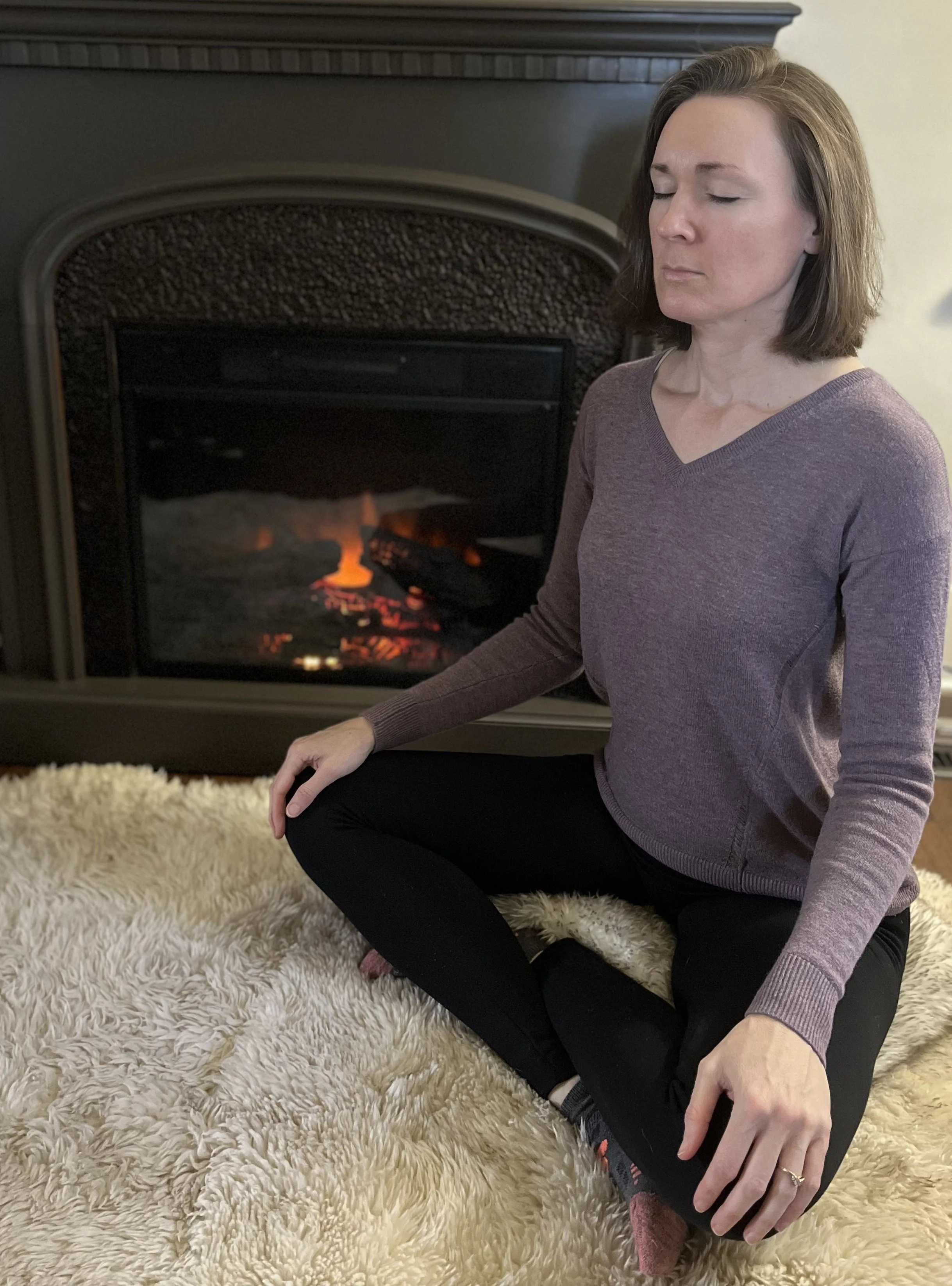
Rachel Hollander practicing what she preaches: mantra meditation.
