Post #16: Tribute to Dr. Howard Schubiner & a Review of his Unlearn Your Pain Books
7-minute read

My tribute to Howard
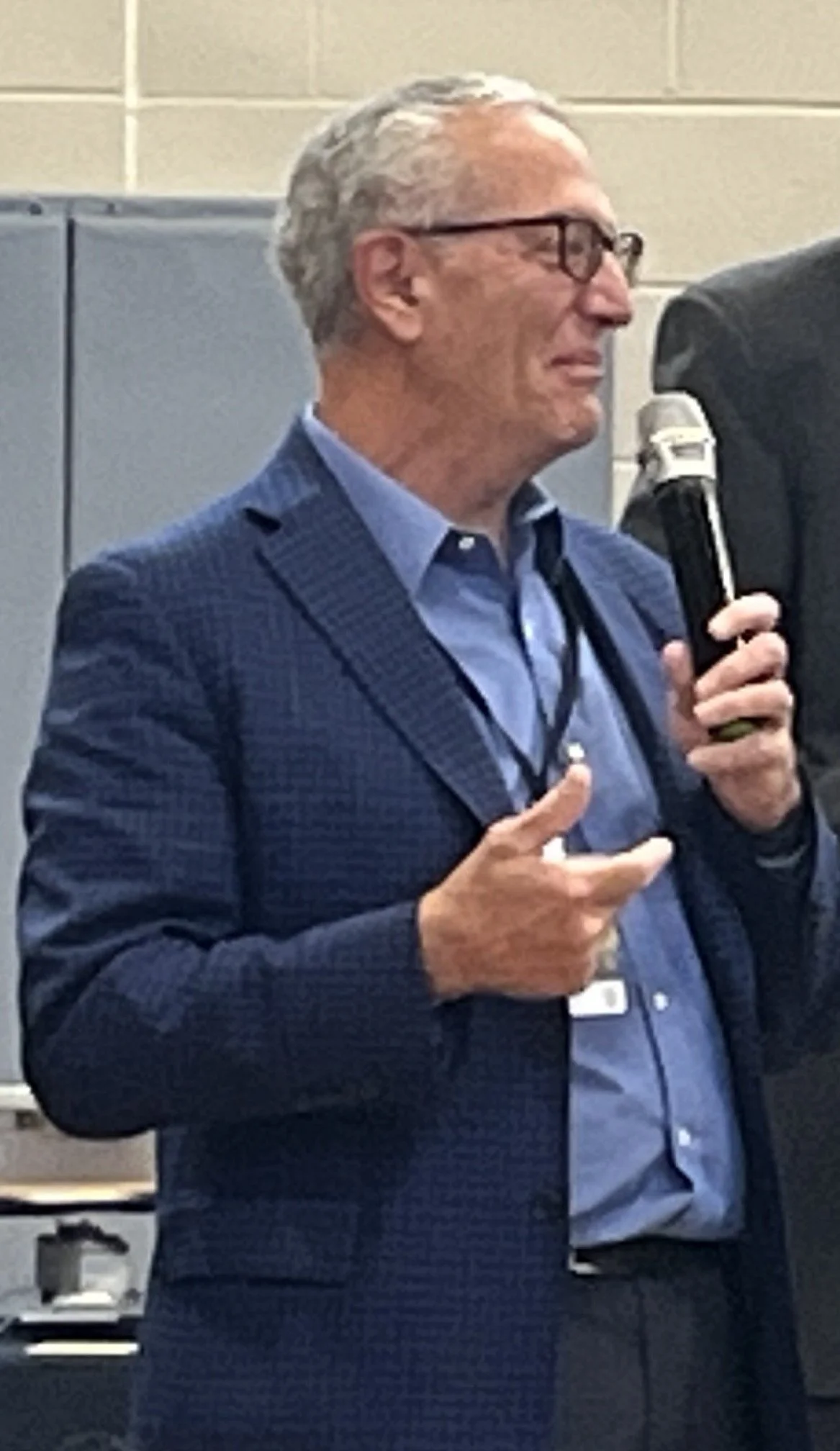
My friend and mentor, Dr. Howard Schubiner, is a prolific researcher of neuroplastic practices for self-healing many types of debilitating symptoms. When Howard’s new book, Unlearn Your Pain: the Science of Recovering from Chronic Pain, Fatigue, Anxiety, and Depression released on May 26, 2026, I celebrated with him and over 100 other supporters on his Zoom launch party. Many of us present, had healed our own chronic symptoms with Howard’s guidance. Several people toasted him with profound respect, despite Howard’s humble encouragement for roasting instead. I couldn’t help but thank Howard for changing my husband’s and my life!
Howard shaped my own recovery journey from chronic pain and other symptoms since someone at a Labor Day party in 2022 told me about neuroplastic healing for her back pain. (Please note the Labor Day irony: my symptoms stemmed from stress and disillusionment working as a primary care physician!) Later that evening I found Howard’s website and watched an hour’s worth of free videos that filled in the major gaps of my 7+ years of standard medical training. I knew my life of disability would be over. The next day, my repetitive motion arm pain was 80% gone. I eagerly bought Howard’s $30 workbook and learned more about how life stress conditions the brain and nervous system to create neural circuits of pain and dysfunction in the body; brain retraining techniques to downplay fear in the brain; emotional awareness and expression self-therapy; and lifestyle changes for sustainable healing. I began applying these techniques to additionally begin healing the difficulty swallowing and heart palpitations that began after my severe arm pain led me to take leave from work without advance notice.
My amazement at my own empowerment for healing led me to email Howard. I was surprised to get a gracious reply in short order. I took Howard’s OvidDx course for certification as a Neural Circuit Retraining Health Professional and learned more about the research behind neuroplastic recovery therapies and how to guide clients (and myself!) in Pain [& Symptom] Reprocessing Therapy (PRT) and Emotional Awareness & Expression Therapy (EAET). When I mentioned during a training session, a personal setback regarding recovery from my arm pain, Howard personally called me on the phone to guide me in Provocative Testing to explore my brain’s predictive coding for arm discomfort and provide guidance on gradual re-exposure to my typing trigger. As I continued to self-heal over several months, Howard interviewed me about my recovery story for a course he created (see below).
After my year-plus of full recovery, I returned to medical work, albeit in a new capacity that I was more aligned with, providing home-based medical care for patients with Congestive Heart Failure, Chronic Obstructive Pulmonary Disease, Kidney Failure, and Diabetes. Yet, it wasn’t just exacerbations of these serious medical conditions that I attempted to prevent. I also found myself counseling patients who had recurrent emergency room visits and hospital admissions for unexplained chronic pain and other “mysterious” illnesses. Many of them were receptive to the neuroplastic model, but the medical system didn’t allow the time needed to guide their self-healing. After working in the traditional model for a year, building the courage (and funds), I created Hollander Holistic Health to allow a practical structure for mind-body coaching.
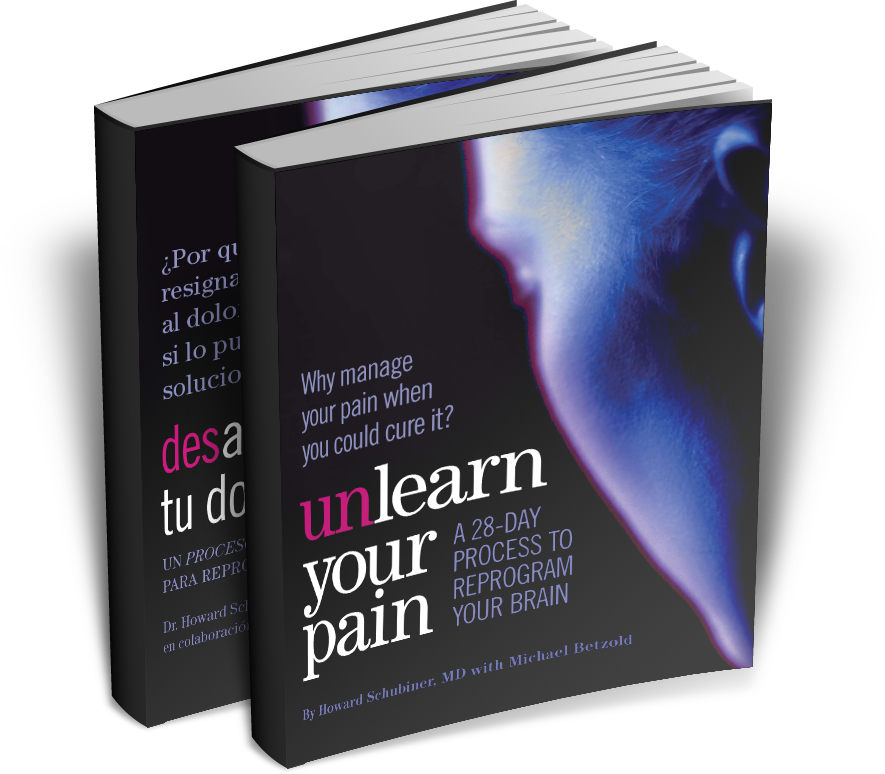
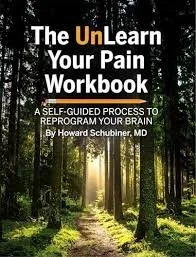
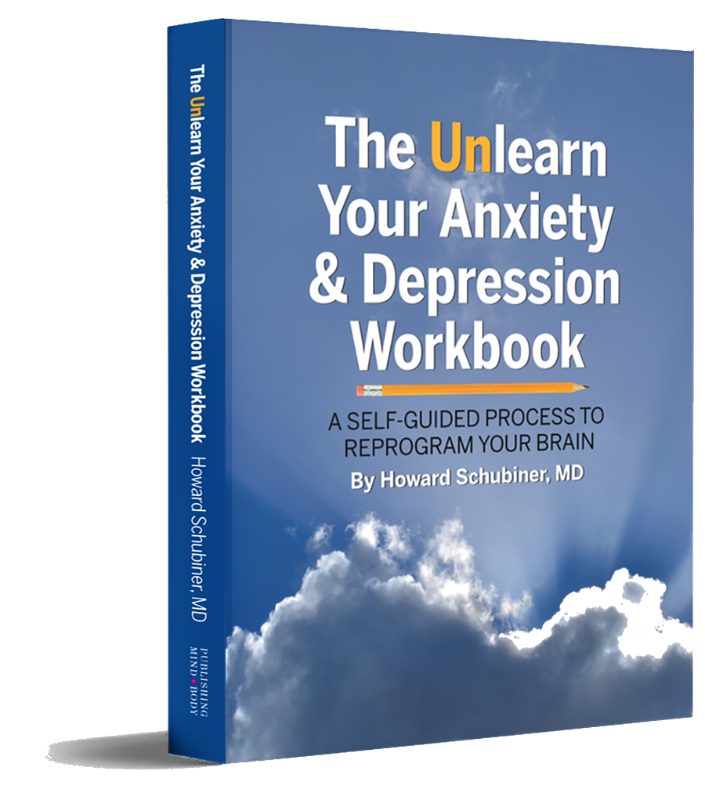
So, about Howard’s books: Which book is which??
Now that Maria Shriver’s imprint, The Open Field, of Penguin / Random House has published Unlearn Your Pain: the Science of Recovering from Chronic Pain, Fatigue, Anxiety, and Depression, the research-backed neuroplastic paradigm will get a much-deserved larger audience. This new book compiles hundreds of research citations, dozens of recovery stories, and practical self-healing advice all in one book.
Yet, due to the large overlap of information between this new book and Howard’s previous self-published workbooks, clients often ask me which one to prioritize, especially since the names of his books are very similar: Howard’s original self-published workbook is Unlearn Your Pain: a 28-Day Process to Reprogram Your Brain, which you can still find used for sale online. Since the new book published, Howard adjusted the title to: The Unlearn Your Pain Workbook: a Self-Guided Process to Reprogram Your Brain. Oh, and don’t forget about The Unlearn Your Anxiety & Depression Workbook: a Self-Guided Process to Reprogram Your Brain! (I recommend this book if a client’s symptoms are solely anxiety and / or depression without physical neuroplastic symptoms.) Are you confused yet??
What does the new book offer?
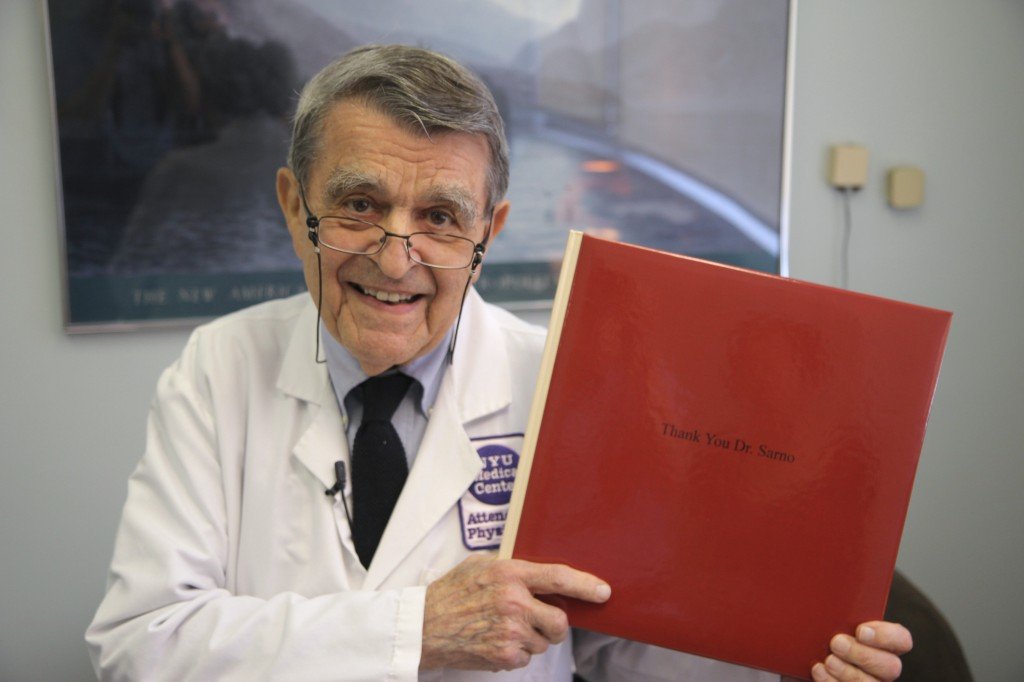
The new book, Unlearn Your Pain: the Science of Recovering from Chronic Pain, Fatigue, Anxiety, and Depression, tells the history of New York University Physical Medicine physician, Dr. John Sarno. Beginning in the late 1970’s, Sarno’s pioneering approach to patients with chronic back pain involved reassurance when the physical exam didn’t correlate with structural imaging findings, and exploration into emotional underpinnings for pain.
Sarno’s method inspired future neuroplasticity research by Howard and others. Howard healed his own stress and neuroplastic symptoms by employing mindfulness. He then read one of Sarno’s books: The Mindbody Prescription: Healing the Body, Healing the Pain. This led Howard to shadow Dr. Sarno during patient care to learn more about his approach, which went even beyond mindfulness.
Trained in Internal Medicine & Pediatrics and experienced in teaching and research as a faculty member at Wayne State University School of Medicine, Howard began practicing Sarno’s method with his own patients, and later conducting research trials after witnessing profound healing. Howard continues to wake up at 5:00 am every day with excitement to progress the field which has already influenced so many. Over the decades, Howard’s passion has led to about 150 scientific articles in peer-reviewed publications. The new Unlearn Your Pain book details the most up-to-date research on PRT in the Boulder Back Pain Study, plus EAET research on fibromyalgia patients and older male veterans with chronic musculoskeletal pain, PTSD, anxiety, and depression.

Unlearn pain…what about other neuroplastic symptoms? My clients have found it hard to apply the workbook ideas, which concentrate especially on musculoskeletal pain, to other symptoms like fatigue. While either the new book or workbook explain the brain and nervous system’s role in developing chronic symptoms, the new book offers additional explanations on the latest medical jargon while, at the same time, cautioning against medical labels for neuroplastic symptoms. These include the latest medically dumbfounding epidemics of Epstein-Barr Virus (EBV) Reactivation Syndrome, Chronic Lyme, Toxic Mold Syndrome, Long-Covid, Postural Orthostatic Tachycardia Syndrome (POTS), Ehlers-Danlos Syndrome (EDS), Mast Cell Activation Syndrome (MCAS), Persistent Postural-Perceptual Dizziness (PPPD), Small Fiber Neuropathy, Endometriosis, and Erythromelalgia; also, mixed conditions like Asthma and autoimmune conditions, including Ulcerative Colitis. Protracted Withdrawal Syndrome, in which a person has significant difficulty weaning off certain medications, ranging from narcotics to acid reducers, was a condition that befuddled me in primary care practice, yet I’m now empowered to guide healing with a sound neuroplastic understanding.
Recovery stories are even more extensive in the new book to illustrate the variety of neuroplastic or mixed conditions beyond chronic musculoskeletal pain. This includes the story of my husband, Brian, who made a significant recovery from asthma, after having been dependent on daily medication and on life-support twice in his life (see pages 210-211 of the hardcopy).

Why might I focus on the workbook?
Although Howard’s publisher stated, “No one likes workbooks,” I still recommend the workbook because self-healing is about understanding and then practicing. The workbook gets you that much closer to putting pen to paper, and research shows the benefit of processing emotions through writing.
In contrast to the new book, which is brief on practical advice and more heavy on research evidence, the workbook offers in-depth instruction on brain retraining and processing emotions. The workbook and my Self-Directed Video Course on the Unlearn Your Pain Workbook provide guidance on audio recorded guided meditations and journaling suggestions. The video series effectively directs people with symptoms that get in the way of reading a book or could use the audiovisual component as an adjunct to book-learning.
Introductory Video on Rachel Hollander's Unlearn Your Pain Video Course & Book Club (based on Unlearn Your Pain: A 28-Day Process to Reprogram Your Brain, also titled The Unlearn Your Pain Workbook: A Self-Guided Process to Reprogram Your Brain by Dr. Howard Schubiner). Join the Waitlist for the Unlearn Your Pain Book Club! https://l.bttr.to/JPMWe
What do both books provide?
The Unlearn Your Pain Workbook and the new Unlearn Your Pain book are both great resources for empowering practitioners and clients / patients to understand if symptoms are neuroplastic. Once medical practitioners “rule out” a clear biomedical or structural cause for chronic symptoms, the FIT (Functional-Inconsistent-Triggered) Criteria can "rule in" a neuroplastic diagnosis. Even conditions that may seem fully biomedical or structural (like Rheumatoid Arthritis or Parkinson’s) may benefit from a mind-body component to healing.
I have heard from some clients that they’re frustrated by the workbook’s several chapters on neuroscience education and patient success stories leading up to practical healing advice. The new book is unlikely to placate such frustrations; however, understanding how you are self-healing is just as important as the practices. This foundation for a strong neuroplastic “evidence list” is important for reference during those weak moments when fear sends you back to the CAT scan machine for the fifth time.
Both books explain the F’s (it’s now up to 7!) that propagate symptoms: fear of, focus on, frustration with, fighting, figuring out, feeling forlorn about the symptoms, and trying to fix the symptoms in a biomedical way. (Plus, my own F: forgetting you are your own best healer!) Each book also explains Provocative Testing and the PRT techniques of affirmations, leaning in, paradoxical intention, graded exposure, outcome independence, and somatic tracking.
Hope & Humanity
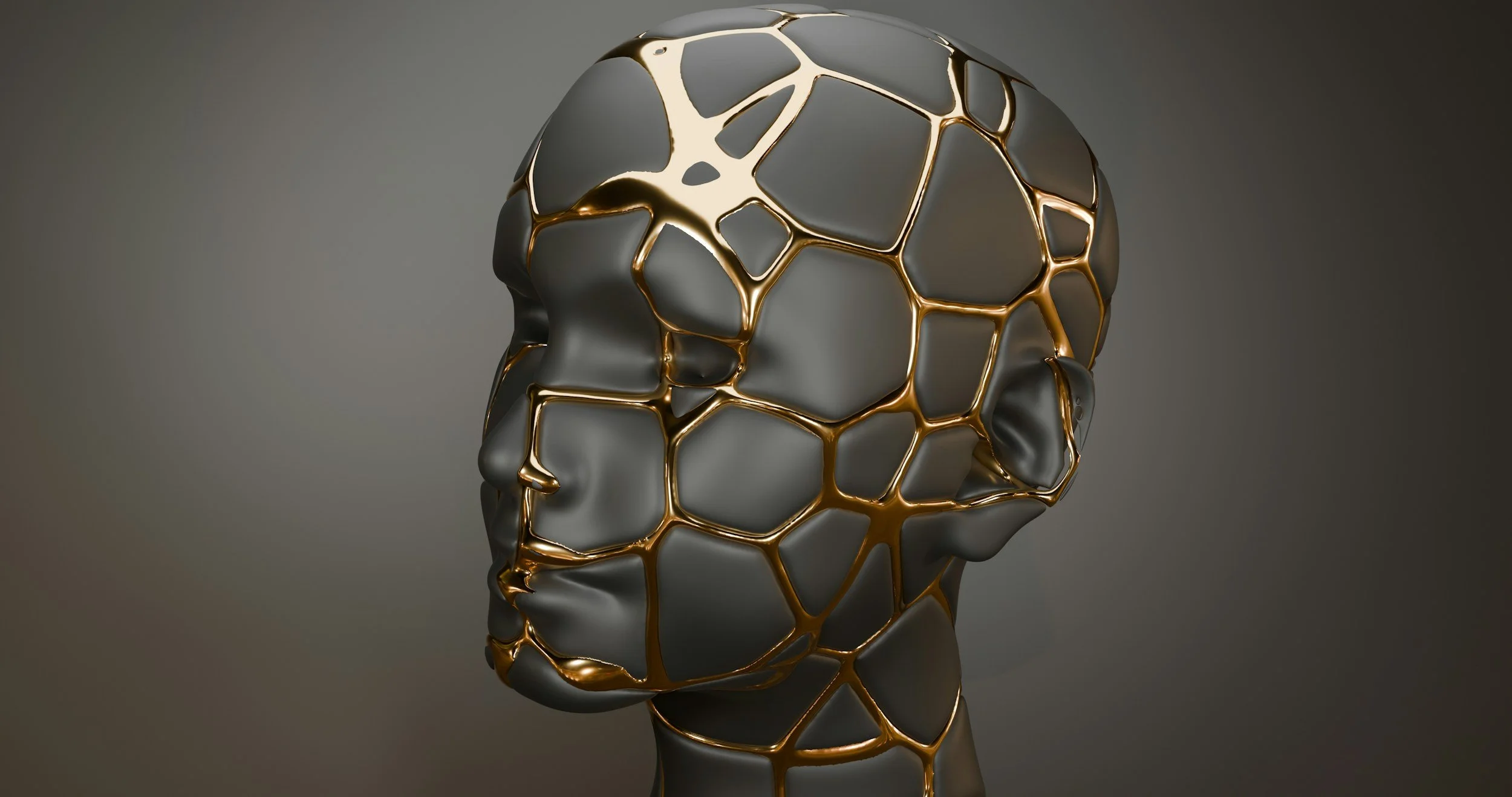
Howard is not the typical dry scientific researcher. At the end of his new book, he refers to the Japanese art of kintsugi, in which an artist breaks pottery and repairs it with golden lacquer, to emphasize healing that comes after breakdown. What a beautiful metaphor for post-traumatic growth. Howard also states, “Neuroplastic conditions might be seen as a weather vane by which we can measure the health and well-being of our lives on an individual basis and the strength and security of our societies.” I believe that the alarming rise of neuroplastic disorders is the inevitable byproduct of fear-based media and diminished self-agency, with greater access to curated environments than to the natural world.
Yet Howard envisions a tipping point in the influence of the biopsychosocial model behind neuroplastic healing, and that this will be swayed more by the people who suffer than by the medical establishment. I’d say we are already on the upswing. Howard insisted that his new book include more than 750 names of people worldwide who are proud to have benefited from this work. Of course, this is only a small portion of people positively affected. (My husband, Brian, and I are included - see United States, Arkansas listing, where we lived at the time of book writing). If you have benefited from the mind-body model, you can add your name to an ongoing list for the next edition of the new book at unlearnyourpain.com/listing.

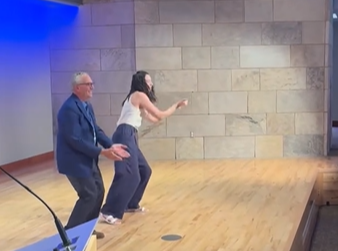
It has been so heartwarming to chat with Howard at the last two Association for the Treatment of Neuroplastic Symptoms / ATNS (previously Psychophysiologic Disorder Association / PPDA) conferences in Boulder, Colorado. I’m excited to see him and many others again at this year’s ATNS conference in Dallas in October. Hopefully, Howard will end the conference again with leading us in Zumba dancing! After all, dancing far outperforms medication, counseling, other types of exercise, and relaxation for diminishing depression.