
7-minute read
The event
Reel about the 2026 ATNS Conference
The 2026 Association for the Treatment of Neuroplastic Symptoms (ATNS) Conference on October 15-17, took place at a church in my hometown of Dallas, Texas after the last two events occurred at a Jewish community center in Boulder, Colorado. Rather than an expensive hotel, these sites make the conference more accessible to more people. Although ATNS is not a religious organization, many attendees recognize the spiritual dimension of the transformation they experience in both mind and body. The conference was an opportunity for exuberant in-person gathering, not just talking heads on a screen. Unlike assemblies for any other professional organization I’ve attended, ATNS conferences are filled with people truly spirited for the cause. It’s like “summer camp for professionals,” board member Dan Ratner, PhD celebrated. Most well-known names and faces in the neuroplastic community were present, including board members Dr. Howard Schubiner (researcher, practitioner, and author of the latest book Unlearn Your Pain: The Science of Recovering from Chronic Pain, Fatigue, Anxiety, and Depression) and Dr. Becca Kennedy; plus other podcasters and coaches, Raelan Agle, Dan Buglio, and John Gasienica; The Lightning Project founder Dr. Phil Parker; and psychotherapist Christina Sarno Horner, daughter of Dr. John Sarno, forerunner of Mind-Body Medicine.
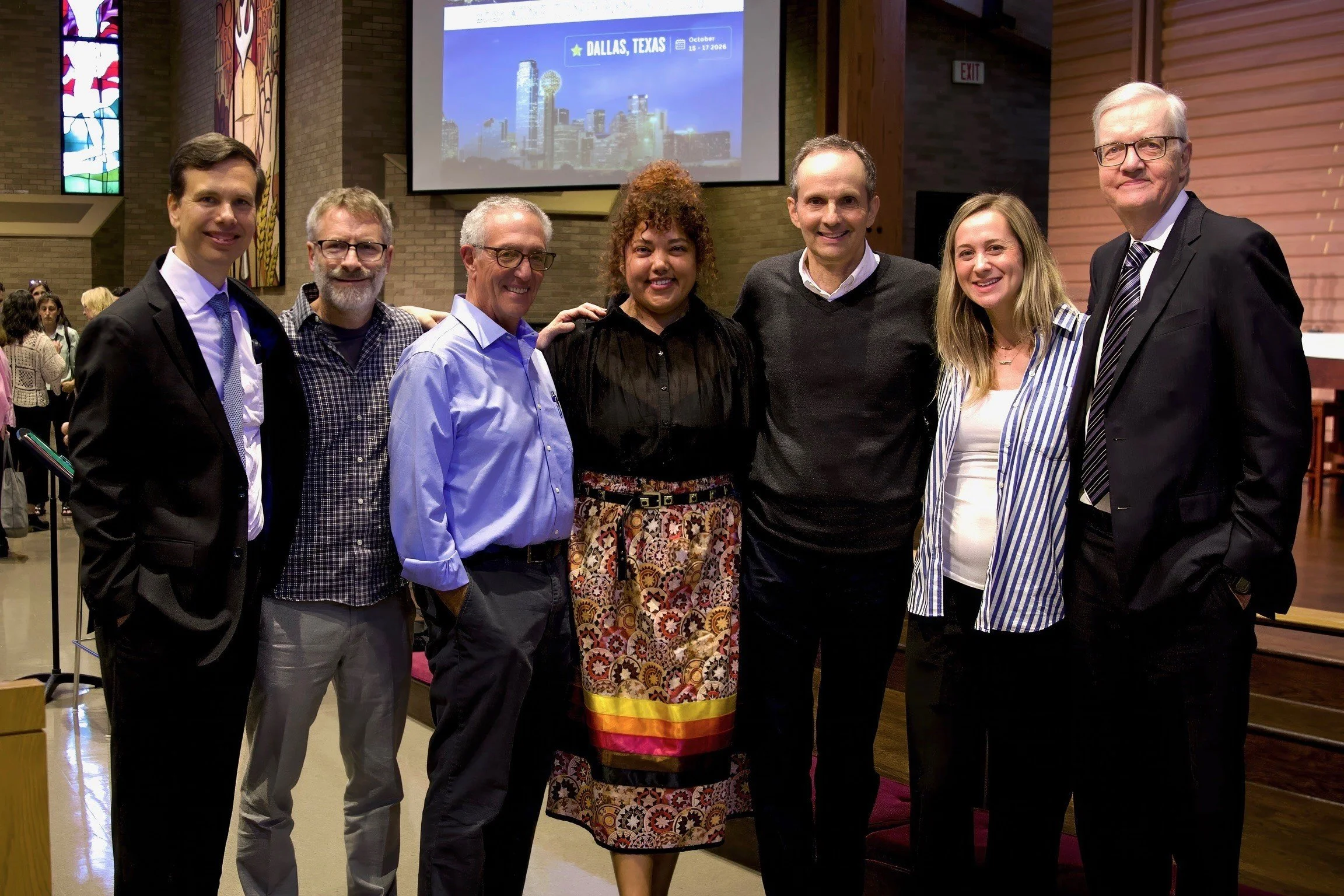
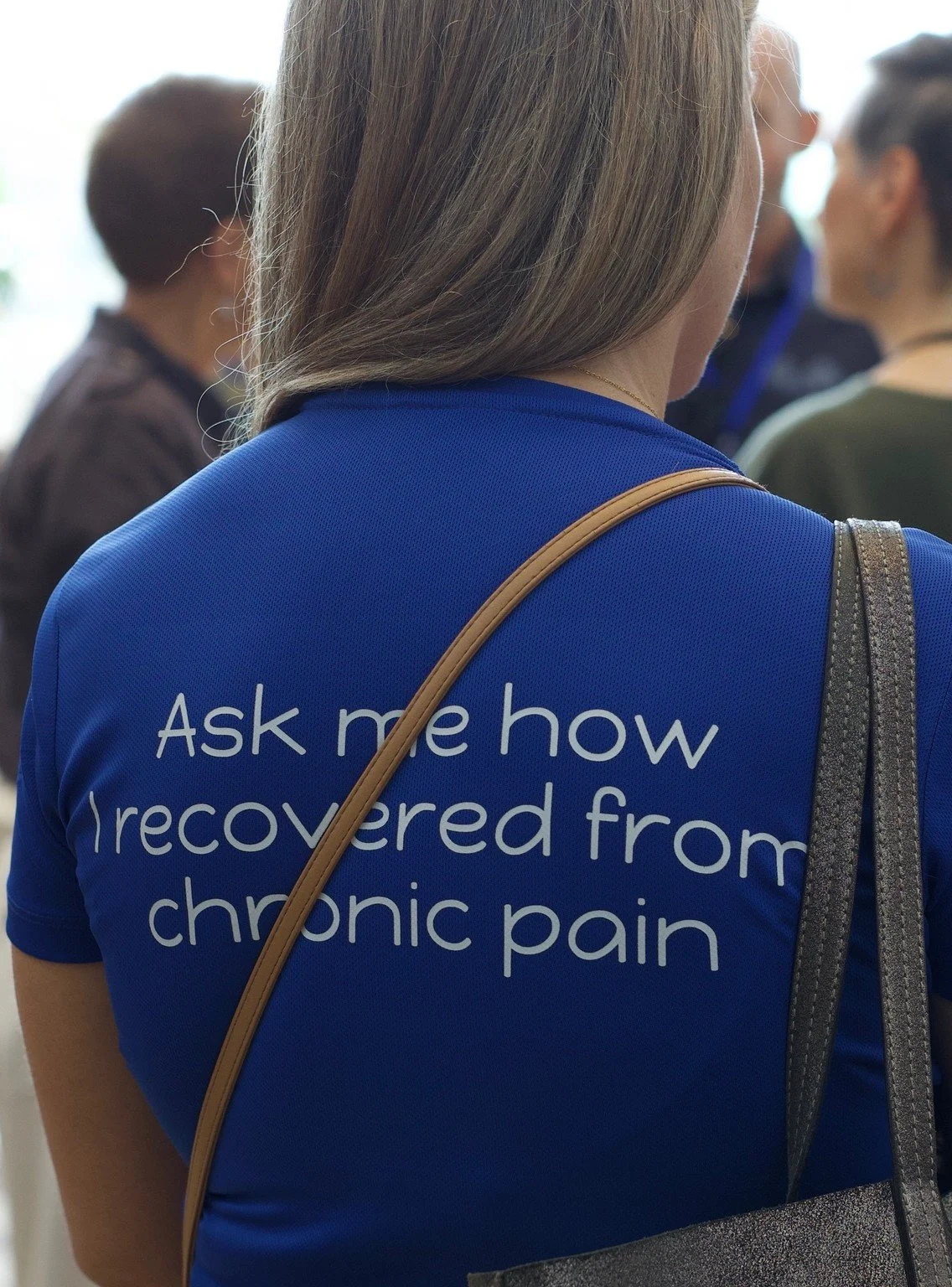
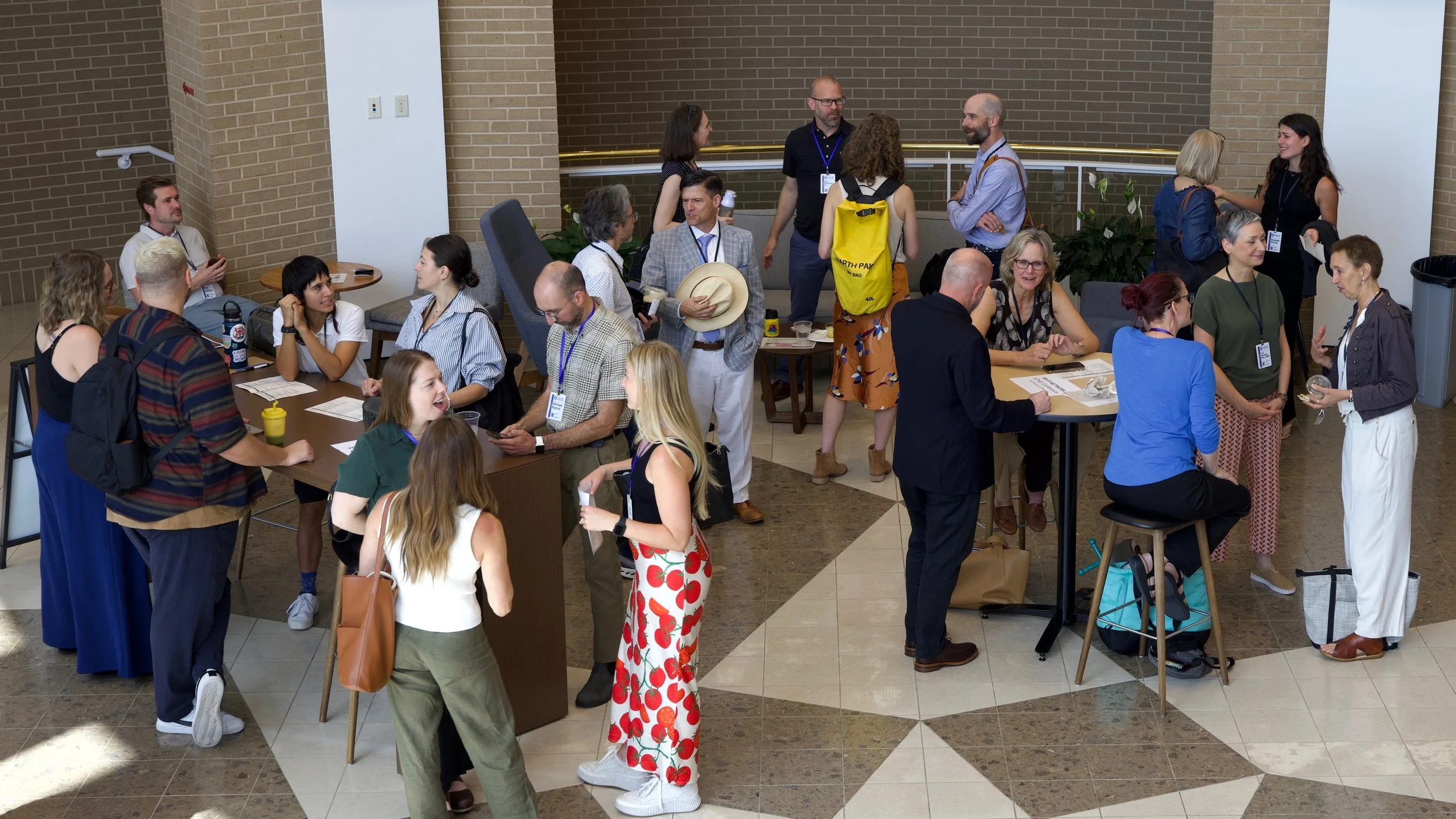
1st photo: A few of the ATNS board members; Nancy Lovell Photography
ATNS conferences are open to not just practitioners, researchers, and funders, but also the public. In two and a half days, over 17 hours of continuing education marked quality among the health fields. Starting at breakfast and going on through evening social events, I mingled with at least a third of over 300 attendees, including practitioners in Primary Care, Functional & Integrative Medicine, Physical Medicine and Rehab, Pain Medicine, Sports Medicine, Neurology, Neurosurgery, Emergency Medicine, Gastroenterology, Anesthesia, Audiology, Prosthetics, Massage Therapy, Physical Therapy, Psychiatry, Psychology, and Social Work. I additionally spoke with a medical student, numerous health coaches, and other individuals in varying stages of symptom recovery from non-medical walks of life. Attendees traveled from across the United States, plus many other countries, including Canada, Britain, Israel, Switzerland, Germany, and Japan. Networking opportunities abounded for people looking to recover from their own symptoms, start or grow their neuroplastic recovery practice, integrate neuroplastic healing into traditional healthcare, promote funding and research, and innovate programs. The scene buzzed with passion and excitement about advancing the field, driven by a shared sense of urgency that people should not have to wait years—even decades—to find healing.
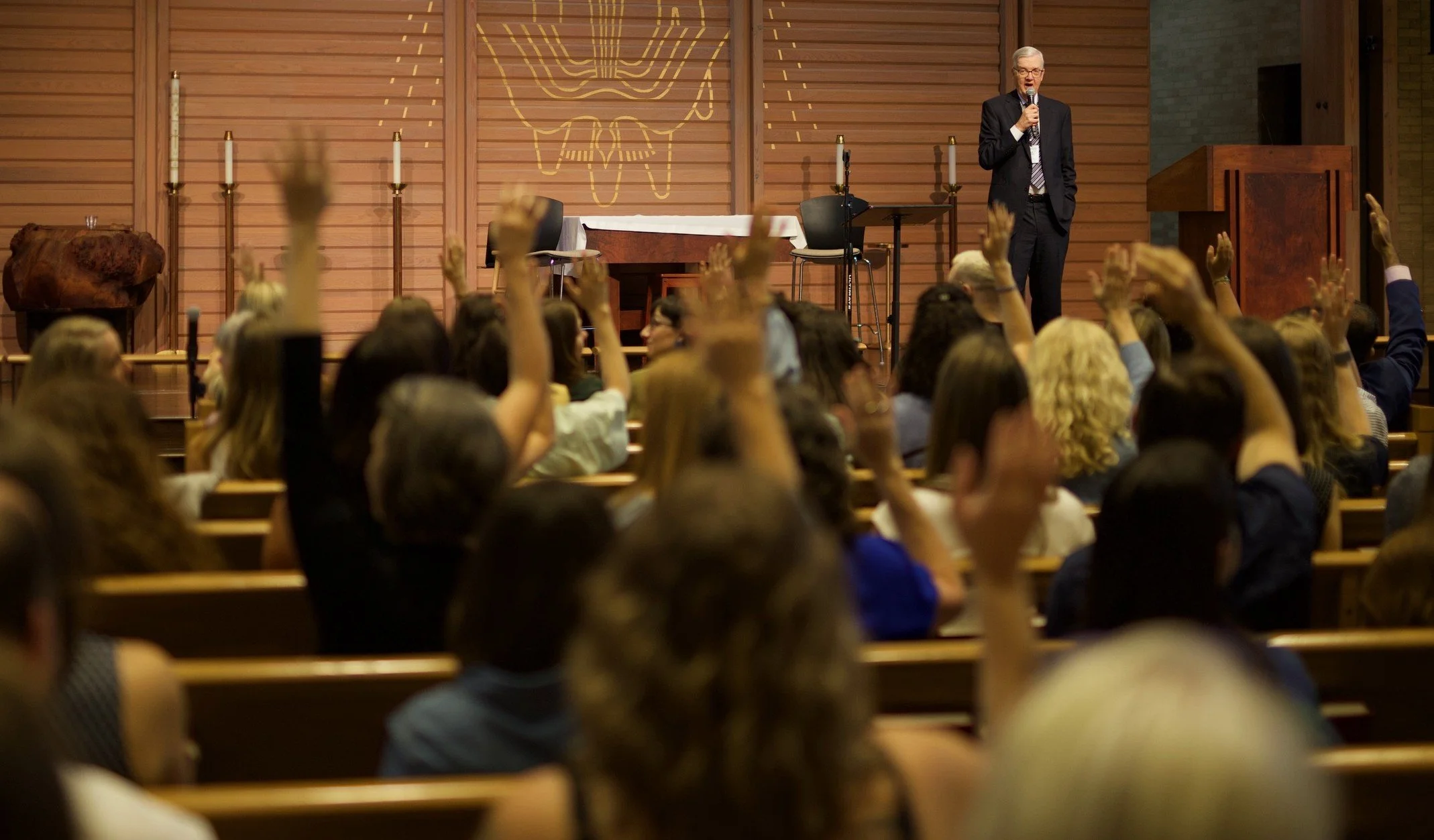
David Clarke, MD, ATNS President; Nancy Lovell Photography
At the welcoming address, ATNS President, Dr. David Clarke asked, “How many in the room have recovered from your own symptoms?” The majority of people raised their hand. Clarke described the “Pain-Industrial Complex” we face, fueled by financial interests of powerful pharmaceutical companies and healthcare corporations. Despite these formidable obstacles, he highlighted ATNS’s progress and urged us to sustain our commitment to the neuroplastic movement—or revolution, as I prefer to think of it. Dan Ratner, PhD, underscored the profound lack of awareness of the neuroplastic model among both medical professionals and the public, likening it to “diabetic patients not knowing about insulin.”
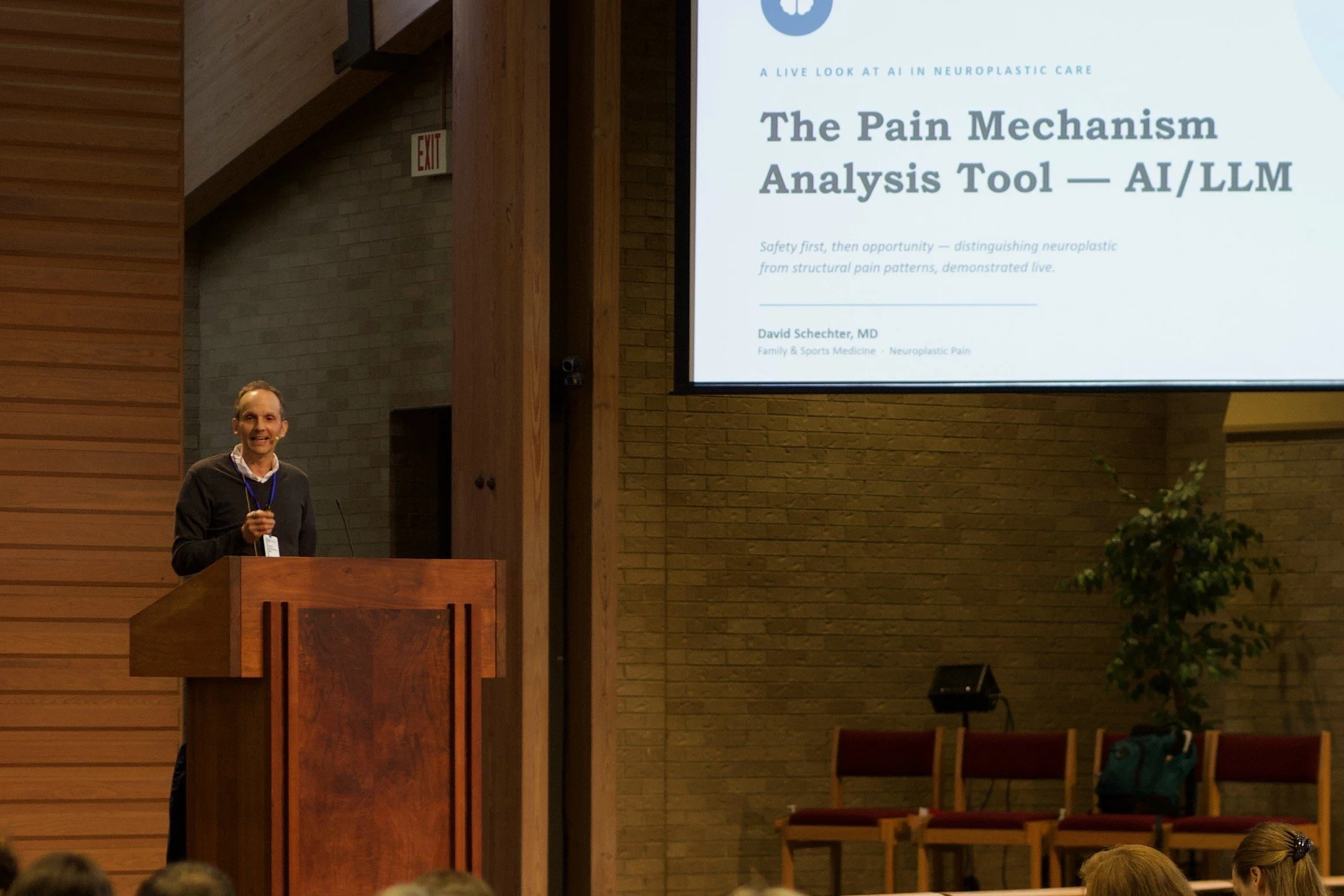
David Schechter, MD; Nancy Lovell Photography
A selection of the 48 speakers
Dr. David Schechter, a Family and Sports Medicine physician in West Los Angeles, introduced his Pain Mechanism Analysis Tool, an interactive AI application that analyzes patient-reported symptom history to assess the likelihood that their symptoms are neuroplastic rather than structural in origin. Even when biomedically-oriented practitioners may have associated symptoms with a structural finding, correlation doesn’t always equal causation! The app is currently available to coaches who want extra confidence about the mind-body approach for particular clients and for physicians who may want to provide a shareable report to doubtful patients as an extra vote of confidence. It does not provide medical decision-making per se, and it’s not currently available to the public, but may be in the future.
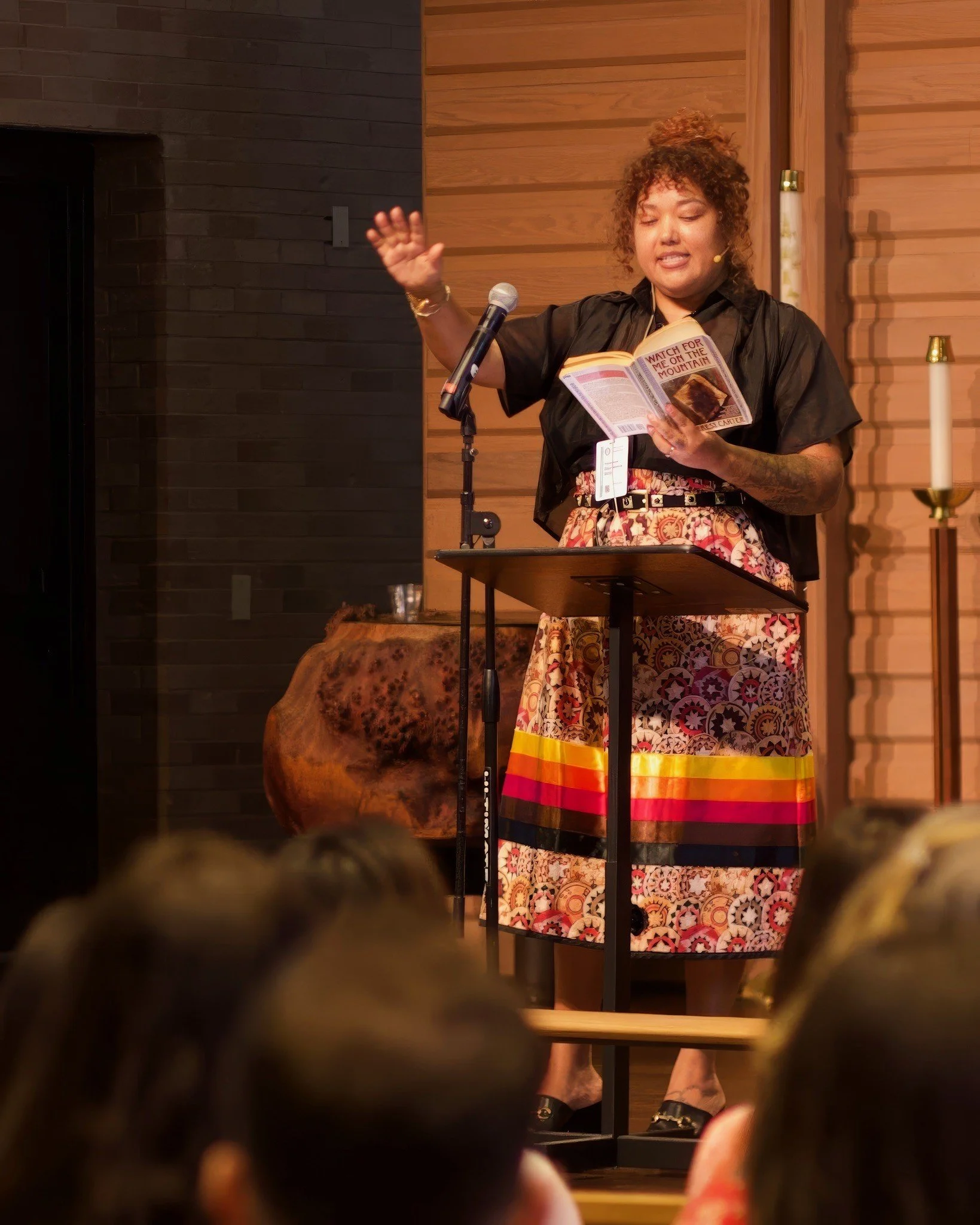
Vanessa Blackstone; Nancy Lovell Photography
Vanessa Blackstone, MSW, citizen of the Eastern Band of Cherokee Indians Nation and former executive director of the Pain Psychology Center in Los Angeles, is now the Founder and Executive Director of Pain Psychology Centre UK, in an effort to expand access to neuroplastic treatment internationally. She spoke on culturally informed care. She asserted that “words shape meaning” and encouraged personalizing nervous system safety messages. While “I’m safe,” may speak to one client, “I can trust my surroundings in this moment,” may ring true for another.
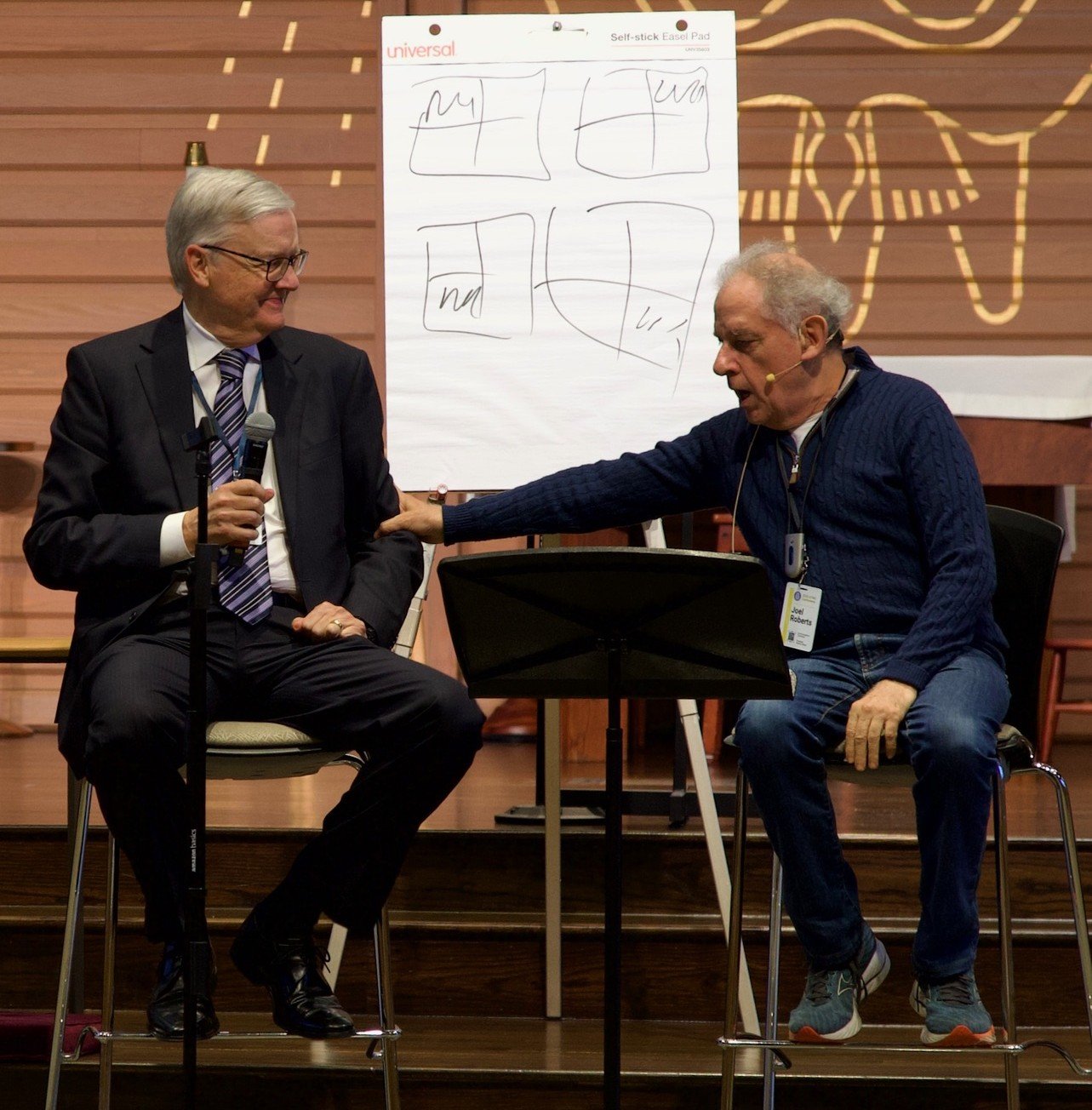
Dr. David Clarke and Joel Roberts; Nancy Lovell Photography
Joel Roberts, former Los Angeles prime-time radio personality, spoke humorously on how to best communicate the neuroplastic model to the public. Despite his slightly intimidating confrontational style, I’m eager to participate in a two-day workshop of his in December!
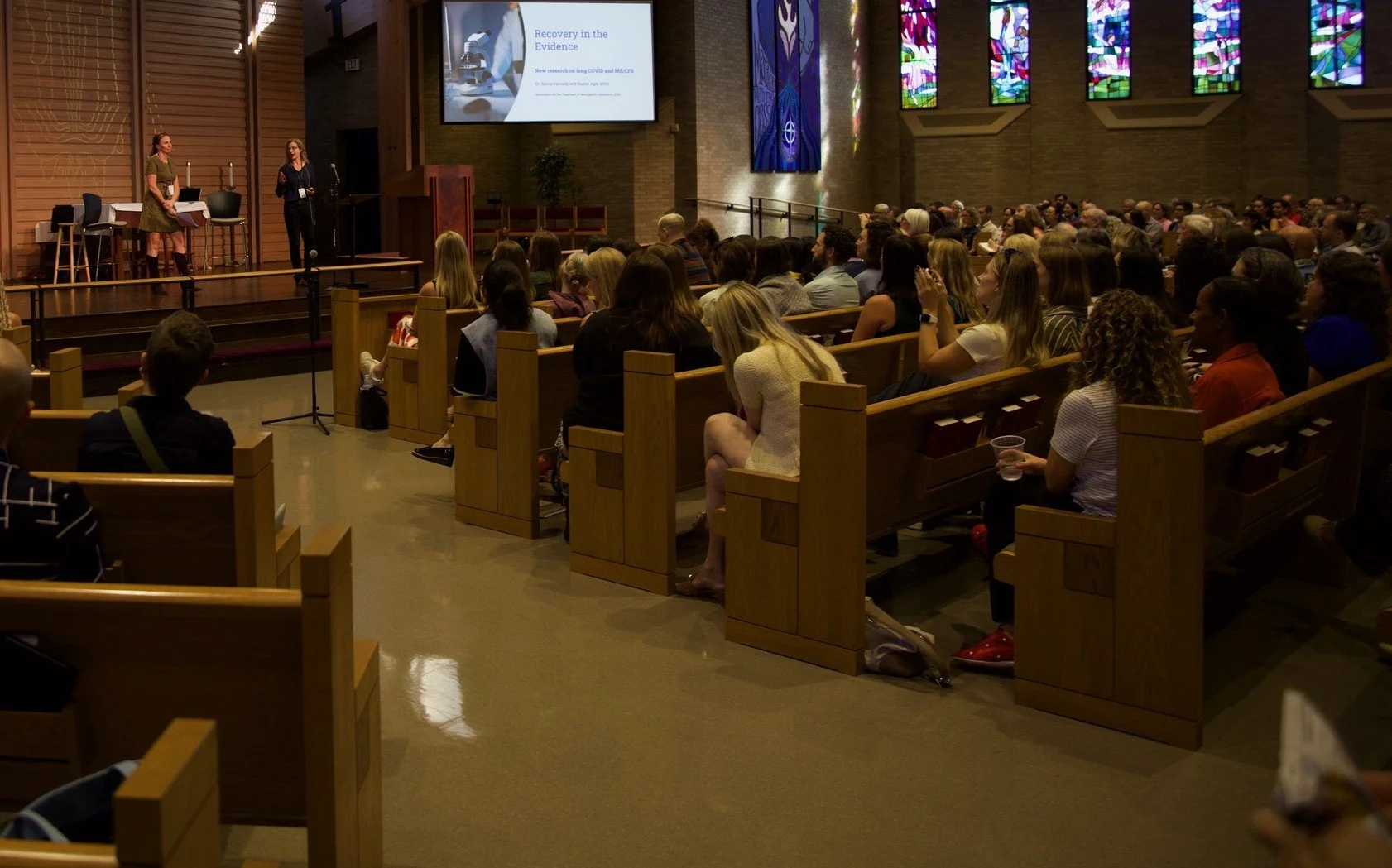
Raelan Agle and Dr. Becca Kennedy; Nancy Lovell Photography
Raelan Agle, MSW and Becca Kennedy, MD summarized the latest qualitative and quantitative research supporting neuroplastic recovery techniques.
Neuroplastic symptom recovery coaches (NSRC) , a group of non-medical practitioners, updated us on the evolution and standardization of their field.
In a breakout session, Jamie Shafir, MSW, LCSW and Jessica Holzer, LMFT, RPT-S contributed their experience working with children and teenagers, a population not to be overlooked.
Several speakers emphasized the importance of providing clients group visit support, including Ashok Gupta of The Gupta Program.
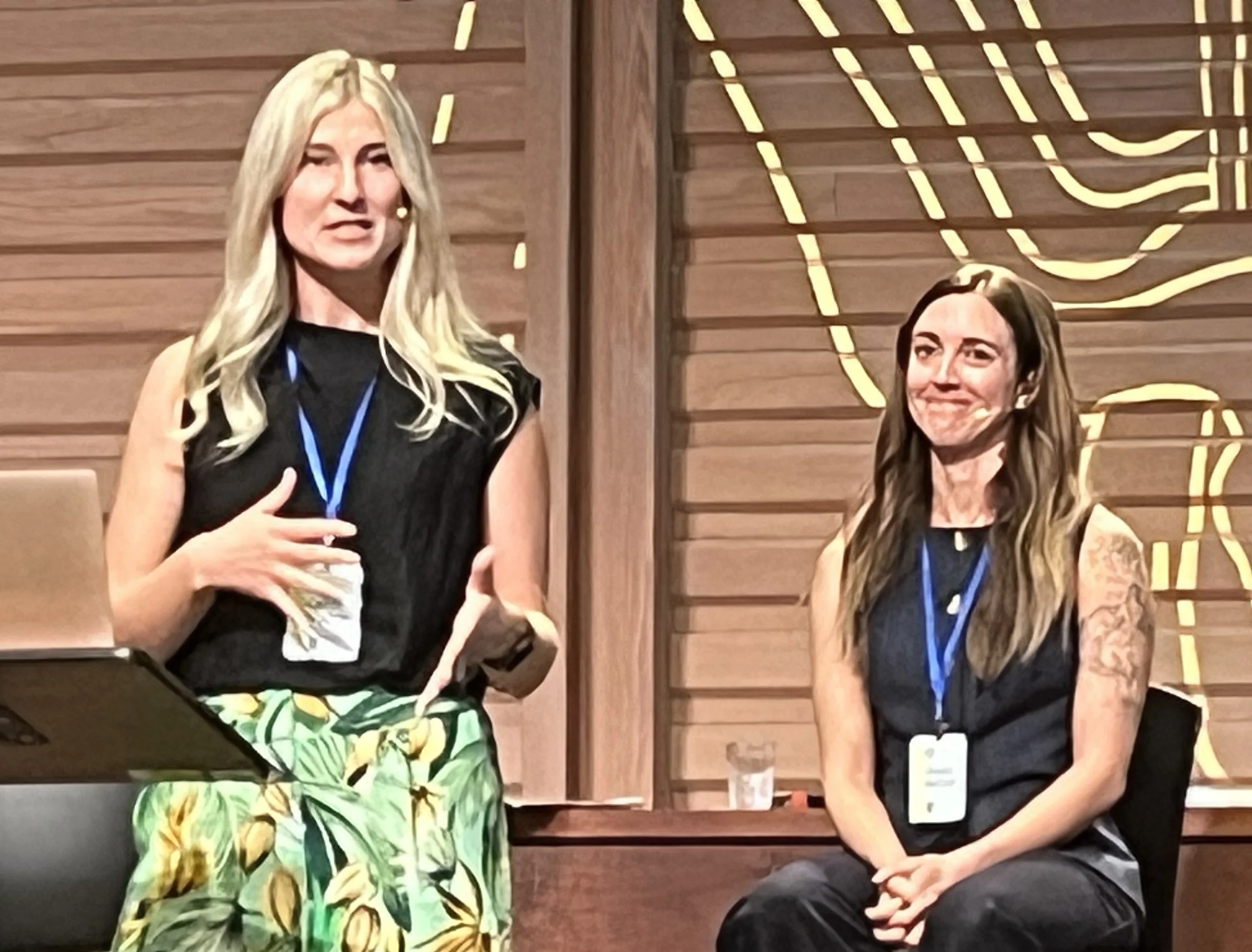
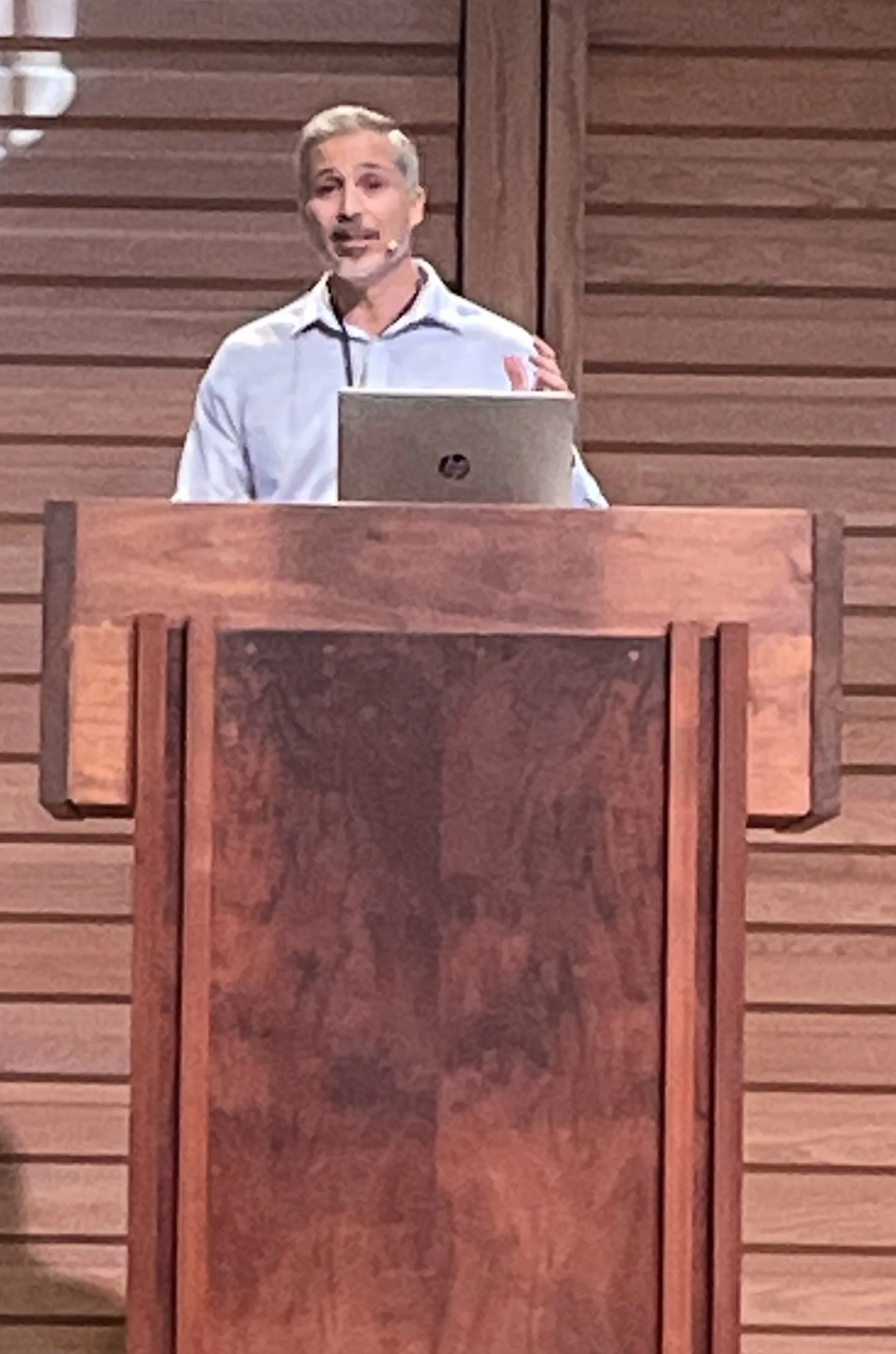
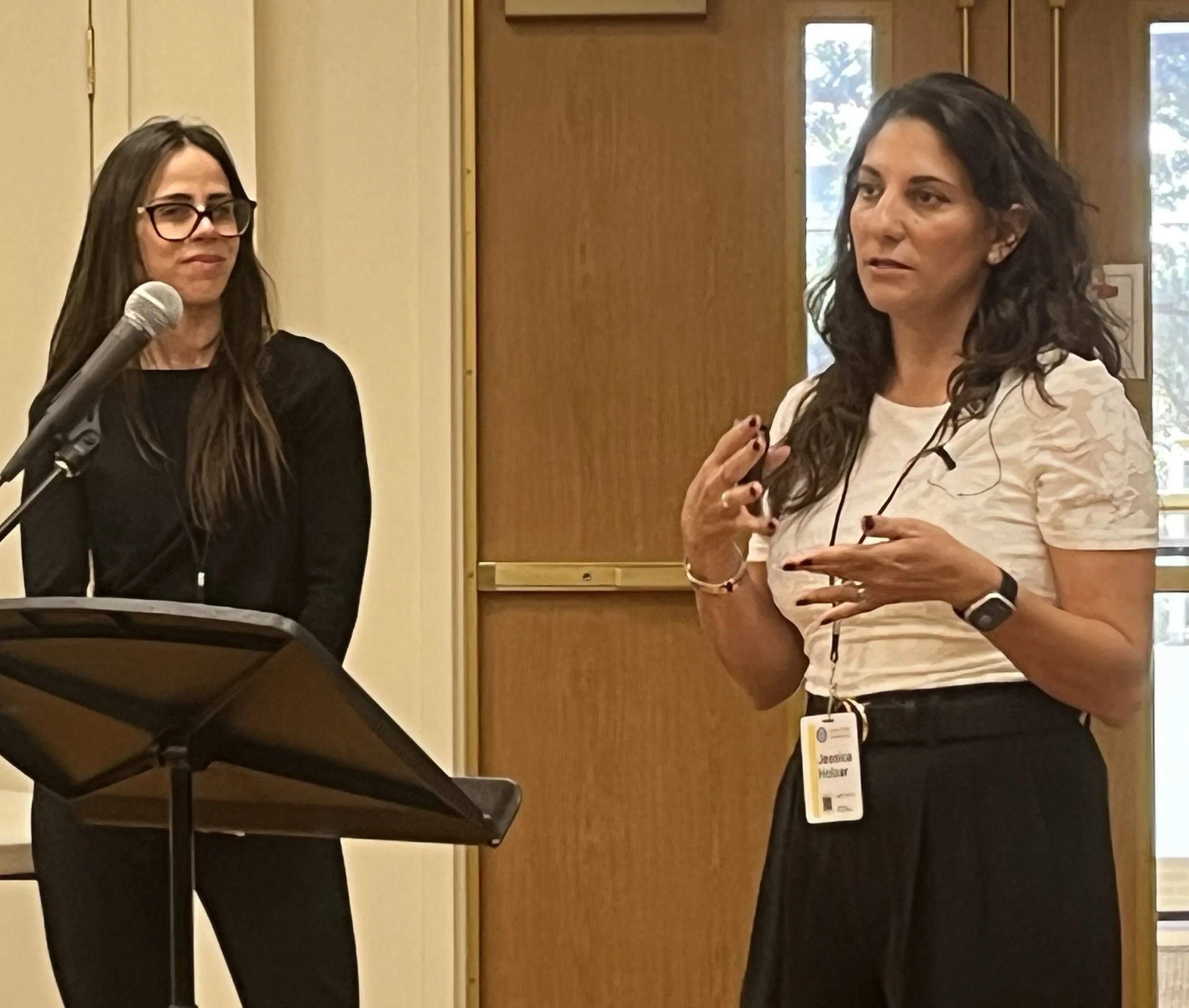
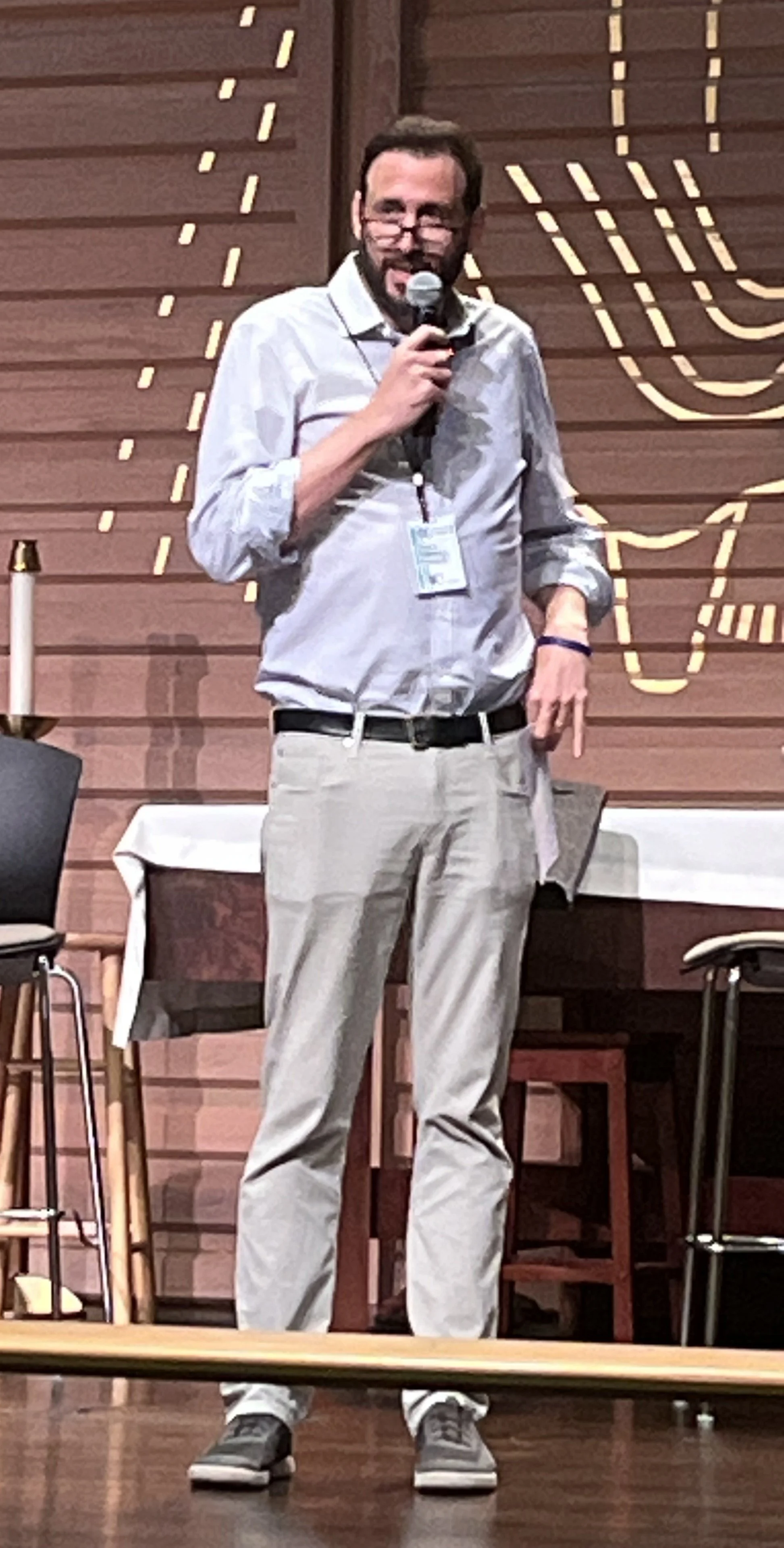
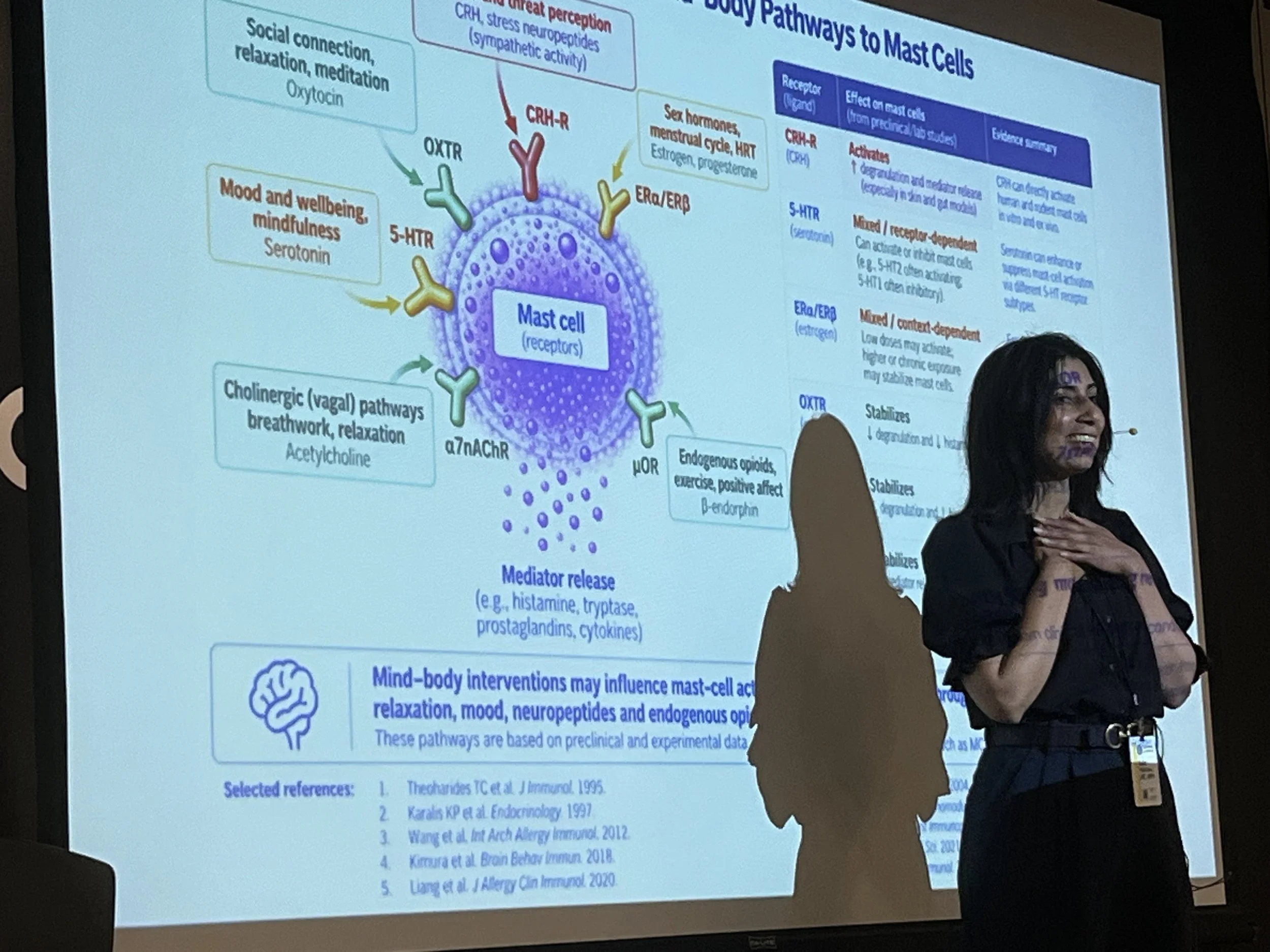
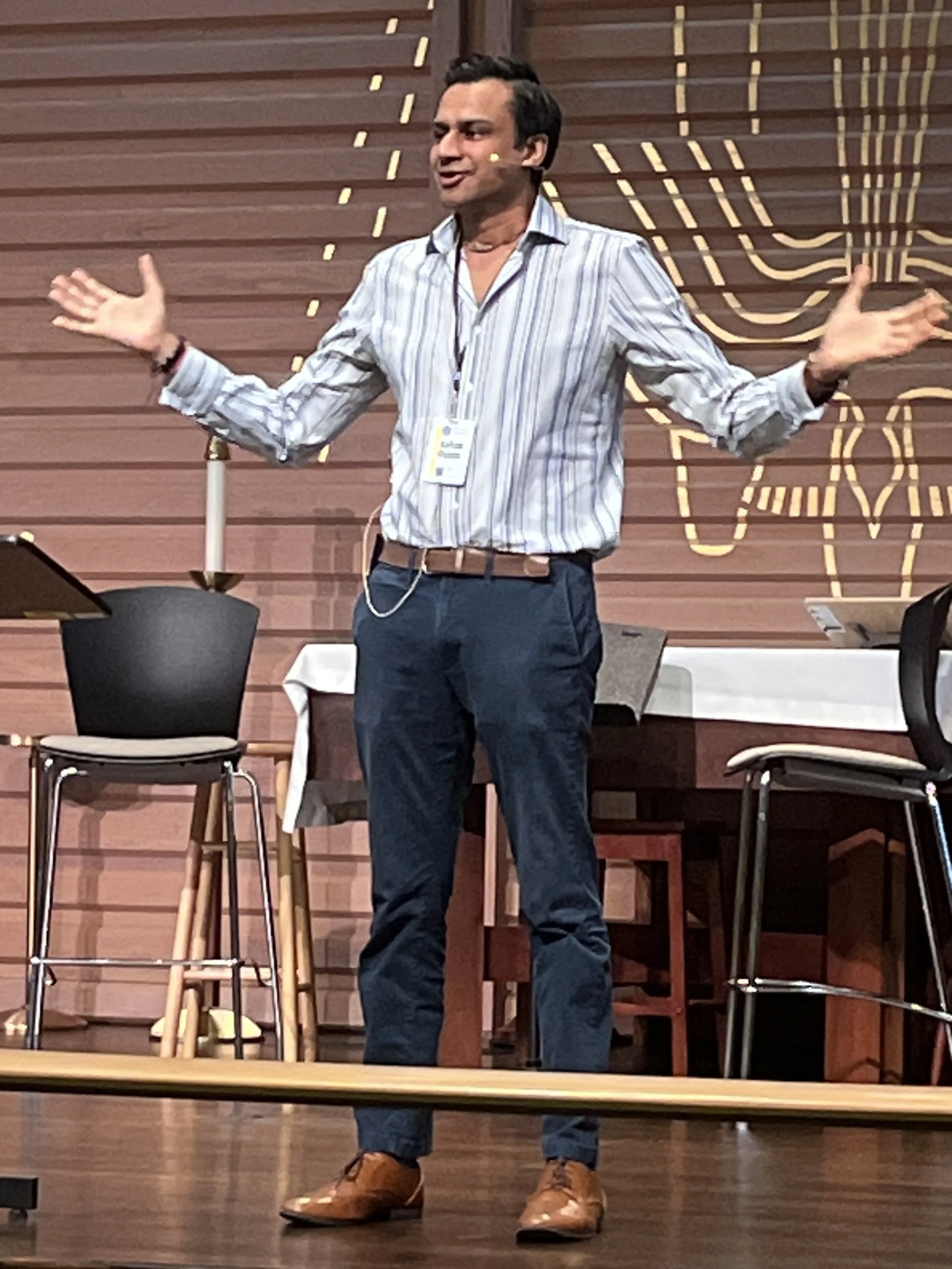
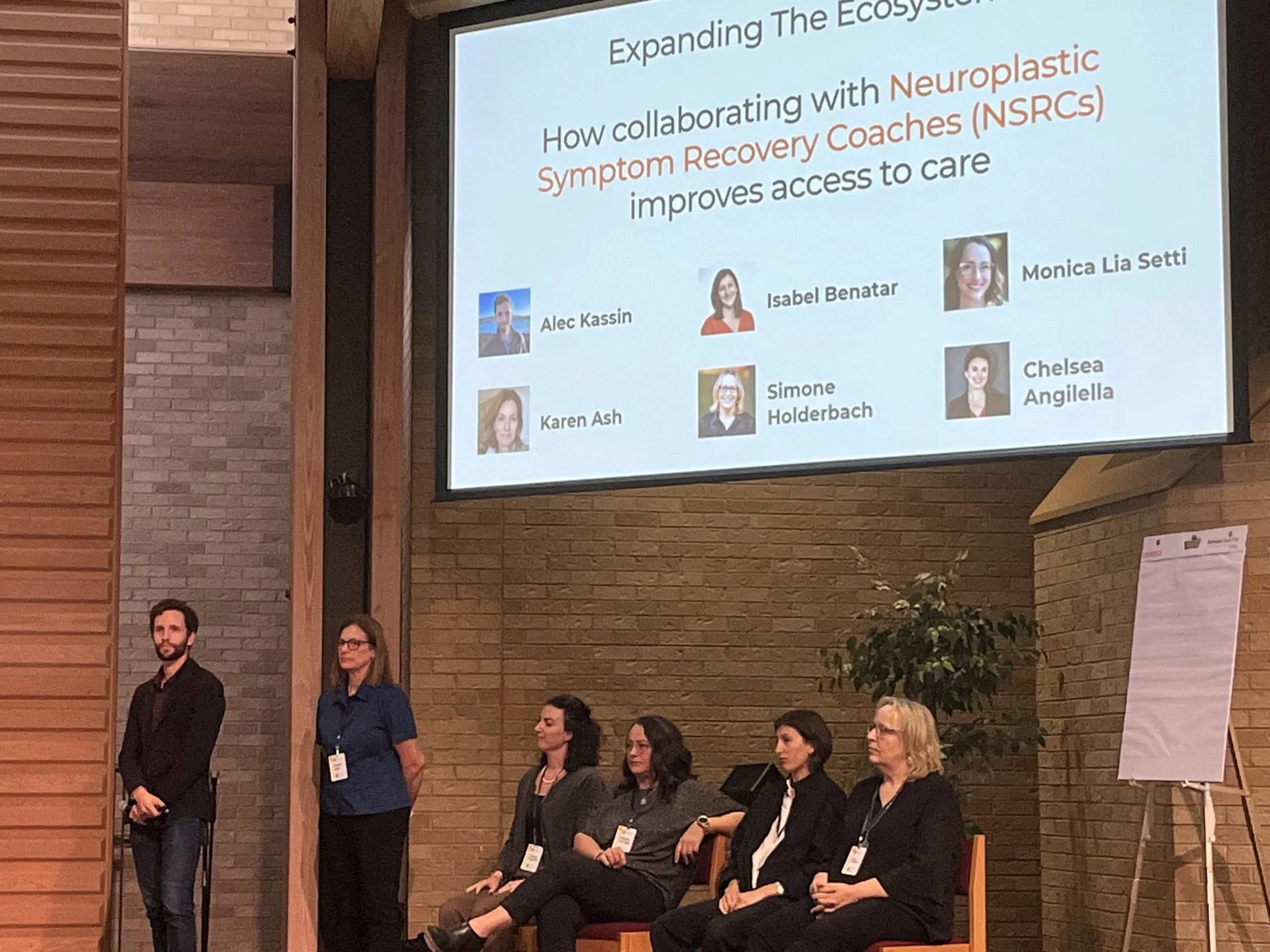
From left to right: Grace Secker & Callie Krajcir; John Gasienica; Jamie Shafir & Jessica Holzer; Dan Ratner; Naila Makhani; Ashok Gupta; Neuroplastic Symptom Recovery Coaches. Photos by Rachel Hollander and Nancy Lovell.
Psychotherapist Ted Howard explained that toxic masculinity, distinct from machismo, involves having “too strong a grip on the identity of being masculine.” Men may rely on stoicism and self-reliance as learned protective strategies, restricting their ability to express a full range of emotions. When feelings remain unacknowledged or suppressed, they may eventually emerge as physical symptoms or erupt in emotional outbursts. To convey this, Ted showed a clip of Ned Flanders from the popular television show The Simpsons. Normally a perfect neighbor, Ned snapped with anger, leaving his community in shock.
Daniel Lyman, LCSW, MPA, modeled confident, proactive guidance of trigger exposure with real clients through authorized audiovisual recordings.
Just before we enjoyed a delicious lunch of authentic Texas barbecue and peach cobbler dessert, Grace Secker, LPC, C-IAYT, and nutritionist Callie Krajcir, MS, RD, discussed strategies for helping clients gradually expand their food tolerance in the face of fear conditioning.
In a breakout session, Naila Makhani, MD, MPH shared her own story of widespread symptoms diagnosed as Mast Cell Activation Syndrome (MCAS), plus her recovery and ongoing research on the topic at Yale.

Nancy Lovell Photography
The send-off
The conference wrapped up on the lifestyle foundations topic of Play with Rachel Mooers and Lauren Garchow. Then the audience gave personal responses to, “What does healing sound like?” I contributed, a satisfying exhalation of relief, “Ahhh!” Others stated the sound of silence because they could finally calm their brain; the sound of walking on a trail, activity they couldn’t engage in until recovery; and the sound of friendly chatter while spending time again with others. Dr. Howard Schubiner concluded the conference by leading us in dancing, shown in research to be more effective than any other intervention for depression!
Join the ATNS
Shout out to Monique Sondag and Rena Le for amazing organizing! Check out the new ATNS website Neuroplastic.org! Consider becoming a member to access healing resources for yourself and to further public awareness. Attend the 2027 ATNS conference, even if you’re still healing. It will likely be held somewhere in the eastern time zone of North America…maybe a Buddhist monastery this time, hah!
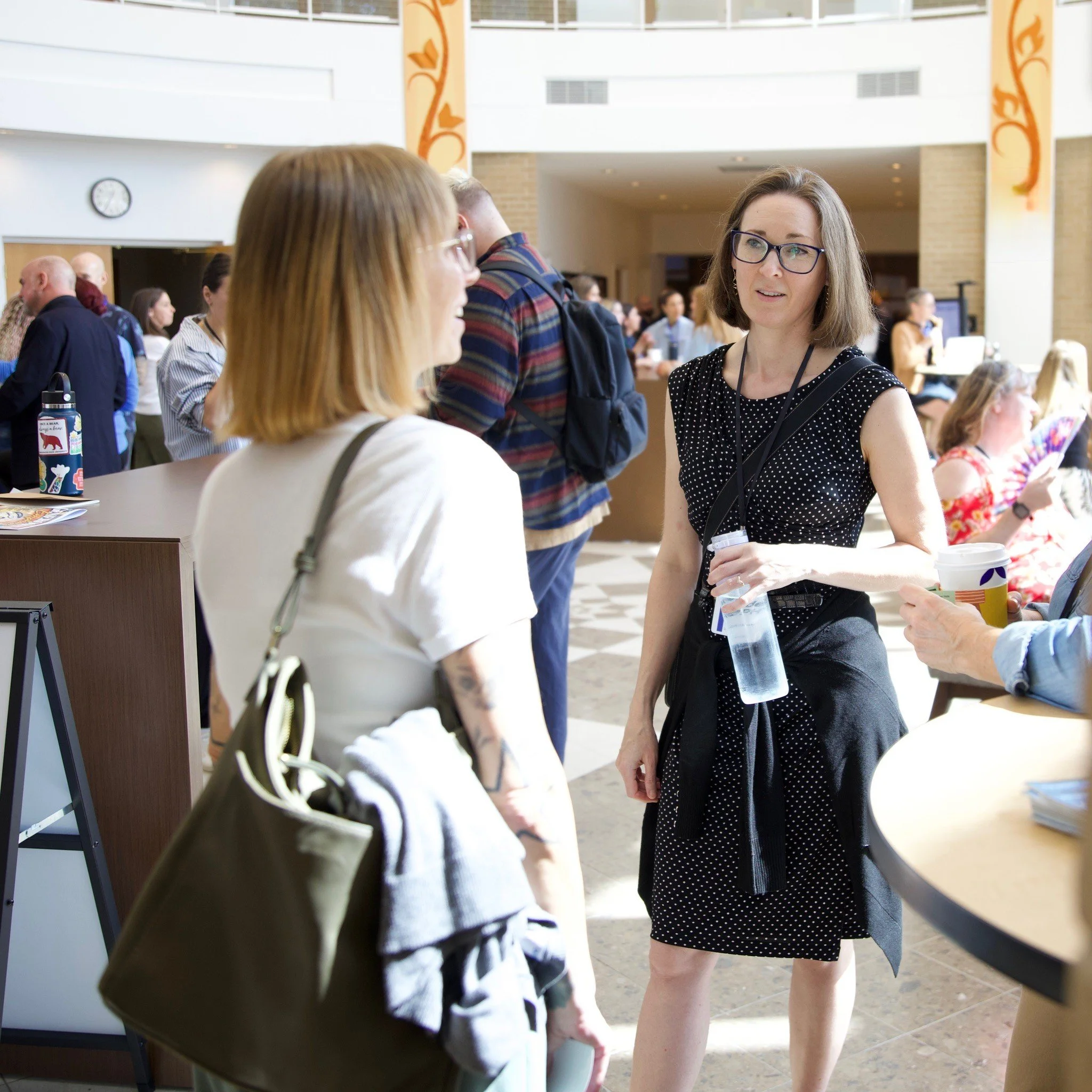
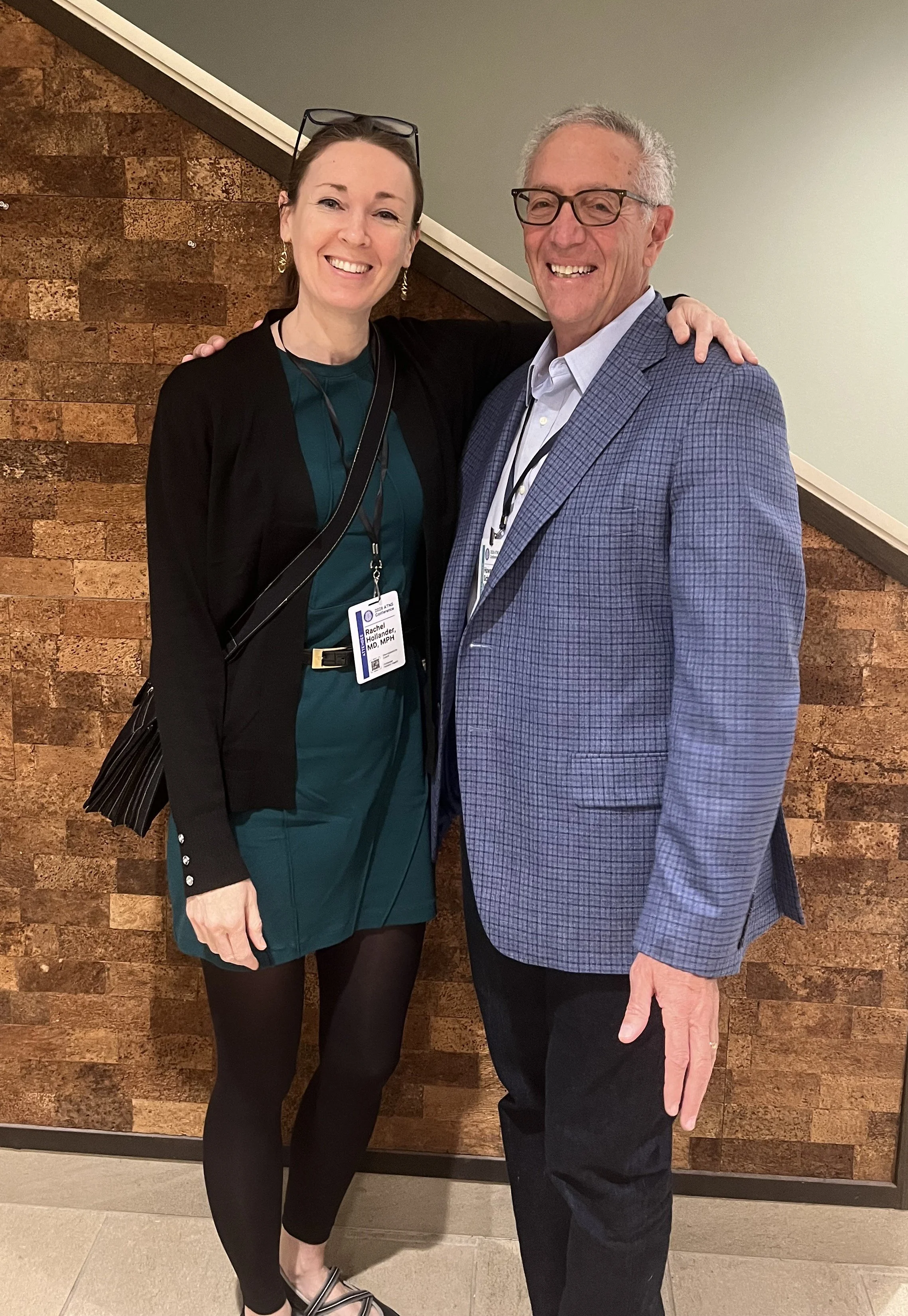
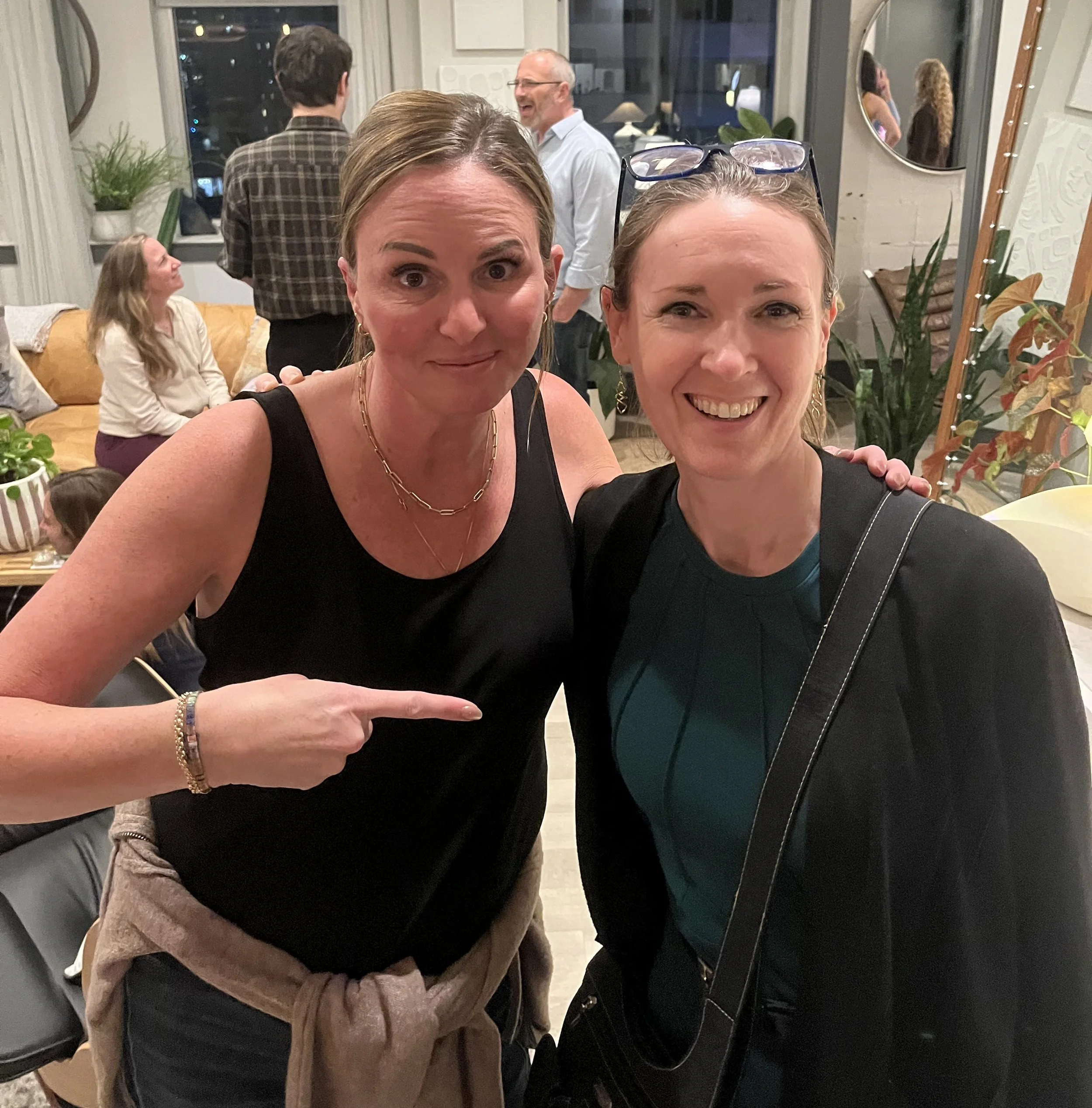
From left to right: Rachel talking with other attendees (Nancy Lovell Photography); Rachel with her friend & mentor, Dr. Howard Schubiner; Raelan Agle and Rachel at an after-party.
