
Post #12: What is your Readiness for Recovery from Neuroplastic Symptoms?
3-minute read

It may be a long and winding road, but recovery from neuroplastic symptoms like chronic pain, long-Covid, chronic fatigue, and other debilitating conditions is real. Beginning in 2022, I healed from almost a decade of repetitive motion arm pain, plus heart palpitations and difficulty swallowing. There are hundreds of other amazing recovery stories catalogued in moving podcasts from Raelan Agle to The Story Behind the Symptoms.

Some even use the word “cure,” but I prefer “self-healing” or “recovery,” which I define as alignment of mind, body, and spirit so that you can get back to living. Sure, you may later have bouts of sensations or symptoms with new stressors. Just like recovery after natural catastrophe, future storms are possible and inevitable. But you’ll be more resilient. You’ll have learned to build your home in a safer area with stronger supplies. No one lives without stress. But recovery implies that symptoms aren’t running your life. You are.

So what does it take to get ready for recovery? I’ve created a 5-minute quiz, The Readiness for Recovery Assessment, so that anyone can determine areas of need. These include the following 9 categories of Mind-Body-Spirit wellness:

1. Lifestyle
Forget some coveted “lifestyle” of driving a sports car or taking weekend trips. When you’re life is in a tailspin or you’re bedbound from neuroplastic symptoms, let’s get down to basics: Do you regularly set and enforce boundaries that meet your needs and beliefs? Do you practice self-compassion or do you push through perceived “shoulds?”

2. Emotional Wellness
Do you pause to check in with your emotions or do emotions either drive your life or get pushed down so you can push on? It’s important to find ways to safely and privately express emotions (such as through journaling and/or my Embracing Emotions meditation above) so they don't perseverate bodily symptoms.
3. Mindfulness
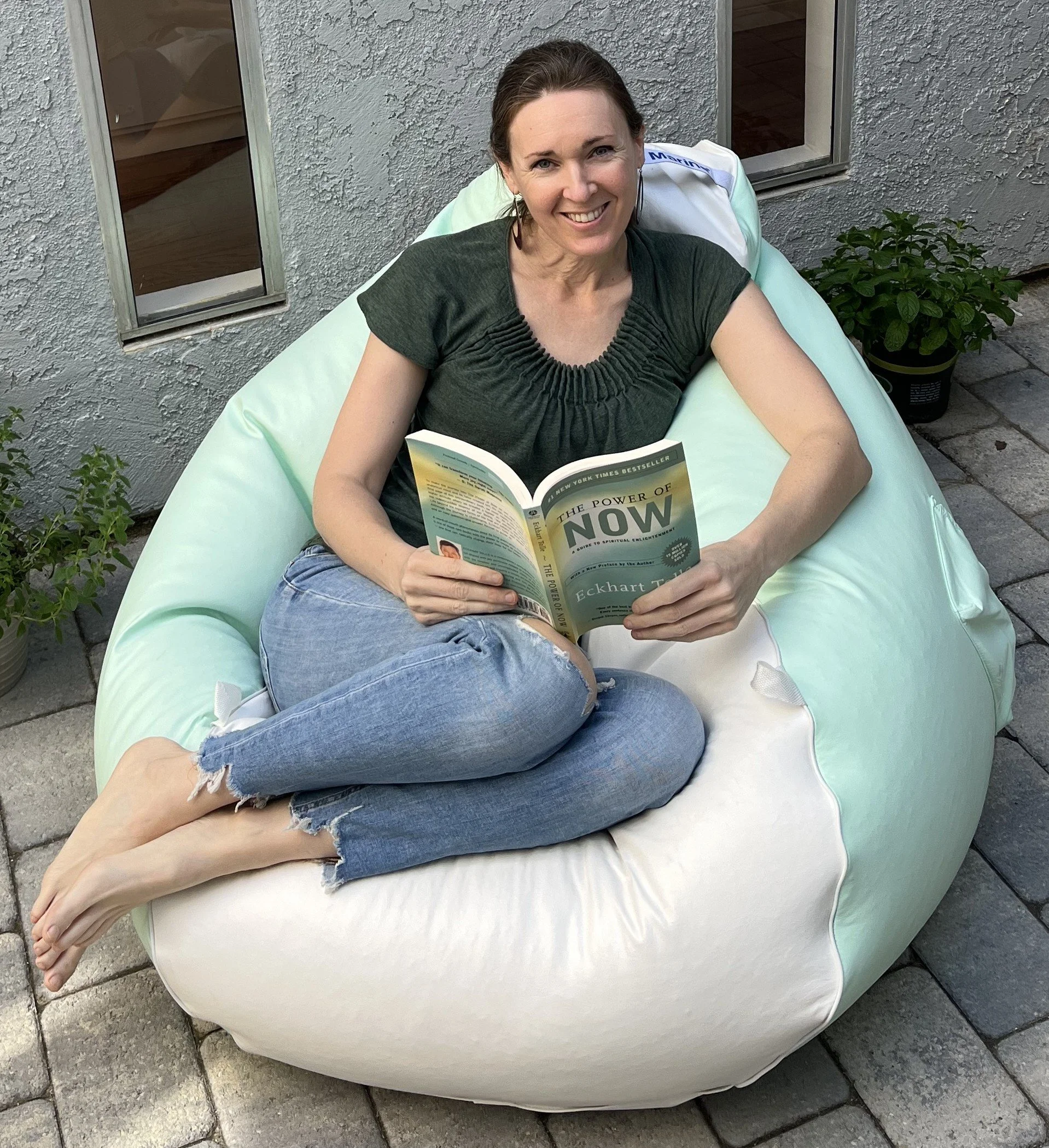
Mindfulness allows practicing the present moment, or “the Now,” as Eckhart Tolle, author of The Power of Now, calls it. Full immersion in your senses, not thinking about the past or future, allows peace and connection with intuition. Guided or silent meditation also allows this grounding.

4. Movement
Do you engage in enjoyable physical movement on a regular basis, or does any activity leave you fatigued rather than energized? The key is mind-body integration with lightness and ease rather than self-pressure; whether it’s an everyday action, like getting up from a chair, or it’s weightlifting or aerobic exercise. The goal is not the quantity of time or reps or steps. It’s the journey, not the destination.

5. Social connection.
Are your relationships draining you more than supporting you? If you’re feeling burnt out, it may be time to reassess. Even for those supportive relationships, be aware that if social activities are overfocused on health concerns, it can detract from your healing. So rather than taking a walk-and-talk with your listening friend who let’s you relay your latest foray into biomedical testing or even mind-body techniques, consider a flow activity, like music, instead.

6. Joy & Spirit
Make time for spiritual introspection and practice. You don’t have to be religious. But consider why we’re here on Earth; why you’re here. Consider your connection to the universe. Practice curiosity and openness. Consider also, enjoyable & healthy flow experiences that take you out of yourself, time, and place.
7. Purpose
This one may take some exploration as well. Is your self-worth wrapped up in an outer purpose? It’s important to feel needed, but not at the cost of our own needs. Purpose can’t just be about serving others. Consider your inner purpose. What does authenticity mean to you and what would a life that is true to your needs look like?

8. Gratitude & Outlook
We don’t take in reality; we project it. Know that you can recover from neuroplastic symptoms. You have the power to self-heal with the right guidance. Holding an outlook otherwise is the surest way to prevent recovery. Practicing positive thinking and gratitude is not just fluff. It’s necessary for healing.

9. Sleep
Sleep can’t be over-emphasized. How can the mind and body recharge without sleep? Of course, insomnia can be a viscous cycle, both the cause and caused by mind-body-spirit misalignment. In fact, insomnia is a neuroplastic symptom itself. Maintain a consistent sleep schedule and wind-down routine and as you work on the other areas of neuroplastic healing, sleep will improve.

So take the quiz and see how to make your healing journey shorter. I have to admit, I always have room for improvement in these life categories, even after recovery!
Don’t forget: the soundtrack to your journey: The Beatles - The Long and Winding Road.
-
The long and winding road
That leads to your door
Will never disappear
I've seen that road before
It always leads me here
Lead me to you doorThe wild and windy night
That the rain washed away
Has left a pool of tears
Crying for the day
Why leave me standing here?
Let me know the wayMany times I've been alone
And many times I've cried
Anyway, you'll never know
The many ways I've triedAnd still they lead me back
To the long winding road
You left me standing here
A long, long time ago
Don't leave me waiting here
Lead me to your doorBut still they lead me back
To the long winding road
You left me standing here
A long, long time ago
Don't keep me waiting here
Lead me to your doorYeah, yeah, yeah, yeah
Recovery requires maintenance!
