Post #13: Understanding Neuroplastic Neck & Back Pain
5-minute read


During a recent stressful move from my parents’ home state of Arkansas back to my (adult) home-state of California, I developed hints of a neuroplastic flavor of the month: intermittent low back pain. Since 2022, when I recovered from almost a decade of repetitive motion arm pain, plus heart palpitations, difficulty swallowing, and unintended weight loss, I’m now quick to recognize new bodily manifestations of stress. Had I not understood how emotional tension leads to physical tension, I might have followed Unlearn Your Pain author Dr. Howard Schubiner’s cautionary “6 F” recipe for exacerbating symptoms: Fear, Frustration, and Focus on the pain might have led me to attempt to Fix, Fight, and Figure it out in a biomedical way, by insisting on imaging at an urgent care center. Such imaging might then damn me with the label of degenerative disc disease, herniated disc, or any other number of common wear-and-tear findings in my 45-year-old spine.
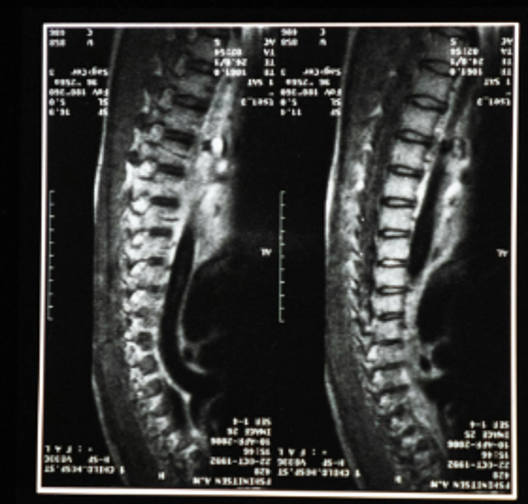
Yet, even the American Academy of Family Physicians recommends against radiologic imaging for low back pain (the fifth most common reason for all physician visits) within the first six weeks. The AAFP cautions away from a structural look even when injury prompted the symptoms, unless very specific red flag neurological deficits are present. Therefore, traditional practitioners acknowledge that imaging doesn’t improve outcomes, just costs! However, I know from my prior decade as a neuroplasticity-naive Family Physician, the tendency to ignore this recommendation for a demanding patient.
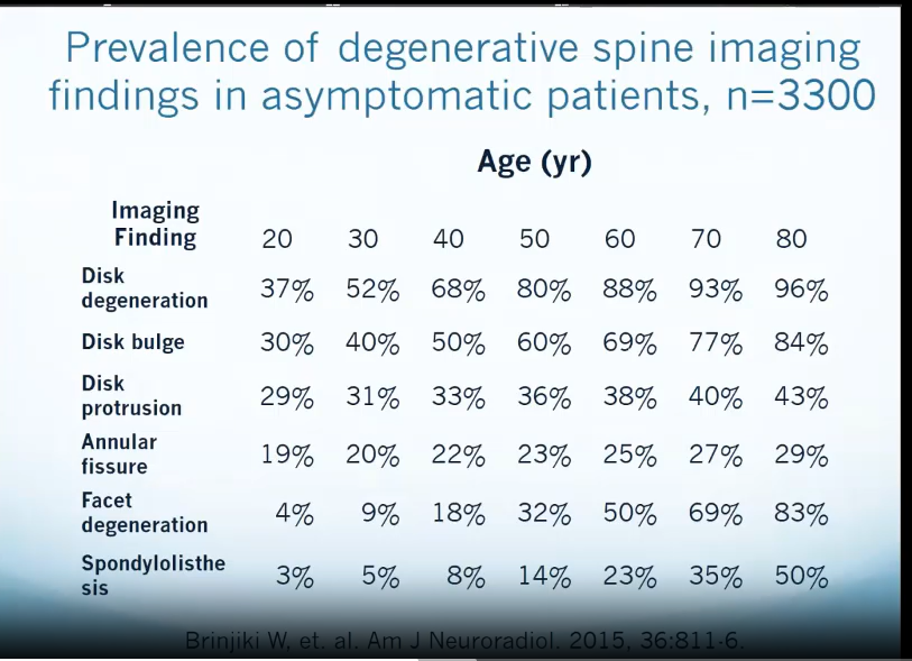
What few physicians fully understand is that 85% of chronic low back pain cases involve no evidence of abnormality in the back itself [Deyo et al, 1992]. Conversely, patients without symptoms (asymptomatic) of back or neck pain commonly have the findings you see in the chart above [Brinjikji et al, 2015]. Even scoliosis and kyphosis (hunchback) don’t necessarily cause pain. Therefore, we can’t link age-related wear-and-tear findings with pain.
I recently interviewed Neurosurgeon Dr. Scott Phillips of EXCELSIS Neurosurgery in Wichita Falls, Texas about neuroplastic neck and back pain. We met at the Association for the Treatment of Neuroplastic Symptoms (ATNS) Conference the last two years in Boulder, Colorado. Dr. Phillips’ iconic cowboy hat and boots are just a small marker of his authenticity; in the field of neurosurgery, he courageously pioneers mind-body ideals.

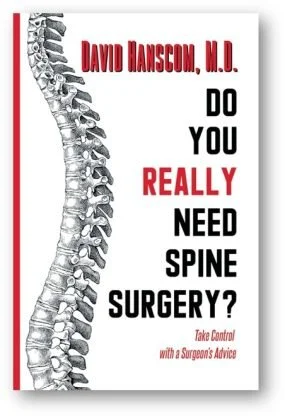
Dr. Phillips credits his understanding of neuroplasticity to encountering senior orthopedic spine surgeon and now author of three books including, Do You Really Need Spine Surgery?, Dr. David Hanscom, during training. Dr. Phillips began to understand neuroplasticity as the “X-Factor” explaining differing outcomes for patients with the same imaging findings and symptoms. While Dr. Phillips operates on patients with a clear need for surgical decompression of an impinged nerve or fusion of overly mobile vertebrae, he explains that the need for surgery is really low. For patients he diagnoses with neuroplastic spine pain, Dr. Phillips provides pain science education and Pain Reprocessing Therapy (PRT). Doing so, he avoids his patients returning with Failed Back Surgery Syndrome, which afflicts up to 46% of patients among non-neuroplastically-minded surgeons. [Daniell & Osti, 2018]
“The indication for [surgery] outside of trauma, fractures, infections, emergency situations...is just really low.”
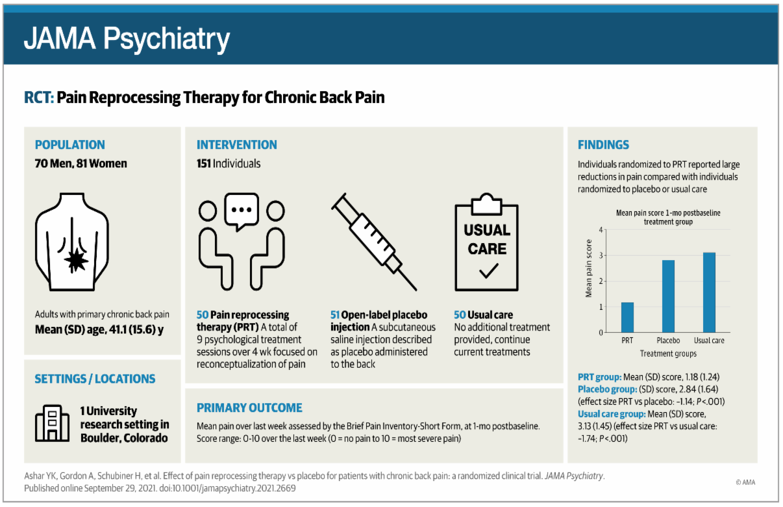
The “Boulder Back Pain Study,” a Randomized Controlled Trial published in JAMA Psychiatry in 2022, showed that Pain Reprocessing Therapy (PRT) brain retraining techniques significantly reduced neuroplastic back pain. 66% of patients were not just improved, but actually pain-free or nearly pain-free after PRT, compared to 20% of patients who were given a placebo salt-water spinal injection, and 10% who were randomized to usual care (such as pain medication and physical therapy). In the PRT patients, functional MRI images showed real change in the brain where pain is known to be processed, and these treatment effects persisted a year later. [Ashar, et al] Research is underway by the same team to determine treatment effects now after several more years.
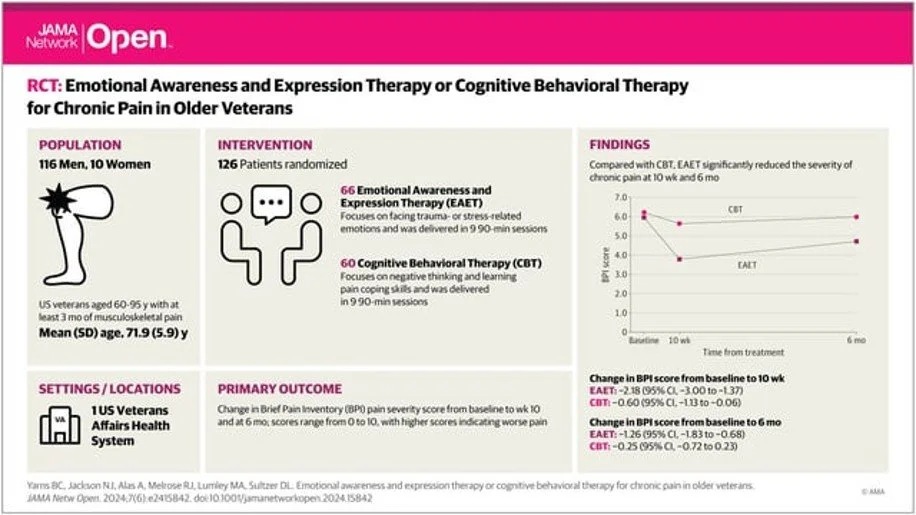
In addition to PRT, for patients and clients of Hollander Holistic Health, I provide Emotional Awareness & Expression Therapy. Developed by mind-body practitioners Dr. Howard Schubiner & Dr. Mark Lumley around 2006, EAET is an offshoot of Intensive Short-Term Dynamic Psychotherapy (ISTDP). EAET, however, is more brief, structured, and focuses on processing specific emotions and symptoms. In 2020, the journal Pain Medicine published the self-explanatory article: “Emotional Awareness and Expression Therapy Achieves Greater Pain Reduction than Cognitive Behavioral Therapy in Older Adults with Chronic Musculoskeletal Pain: A Preliminary Randomized Comparison Trial.”
During my moving process, I wasn’t keeping the muscles surrounding my spine strong and limber, so my emotional weather found my weakest link. But my understanding of neuroplastic symptoms prevented my back pain from becoming a debilitating problem. Now that my emotional life has settled down and I’ve restarted core exercises, my back pain has gone packing.